
Route Planner vs Map App: Which Do You Need?
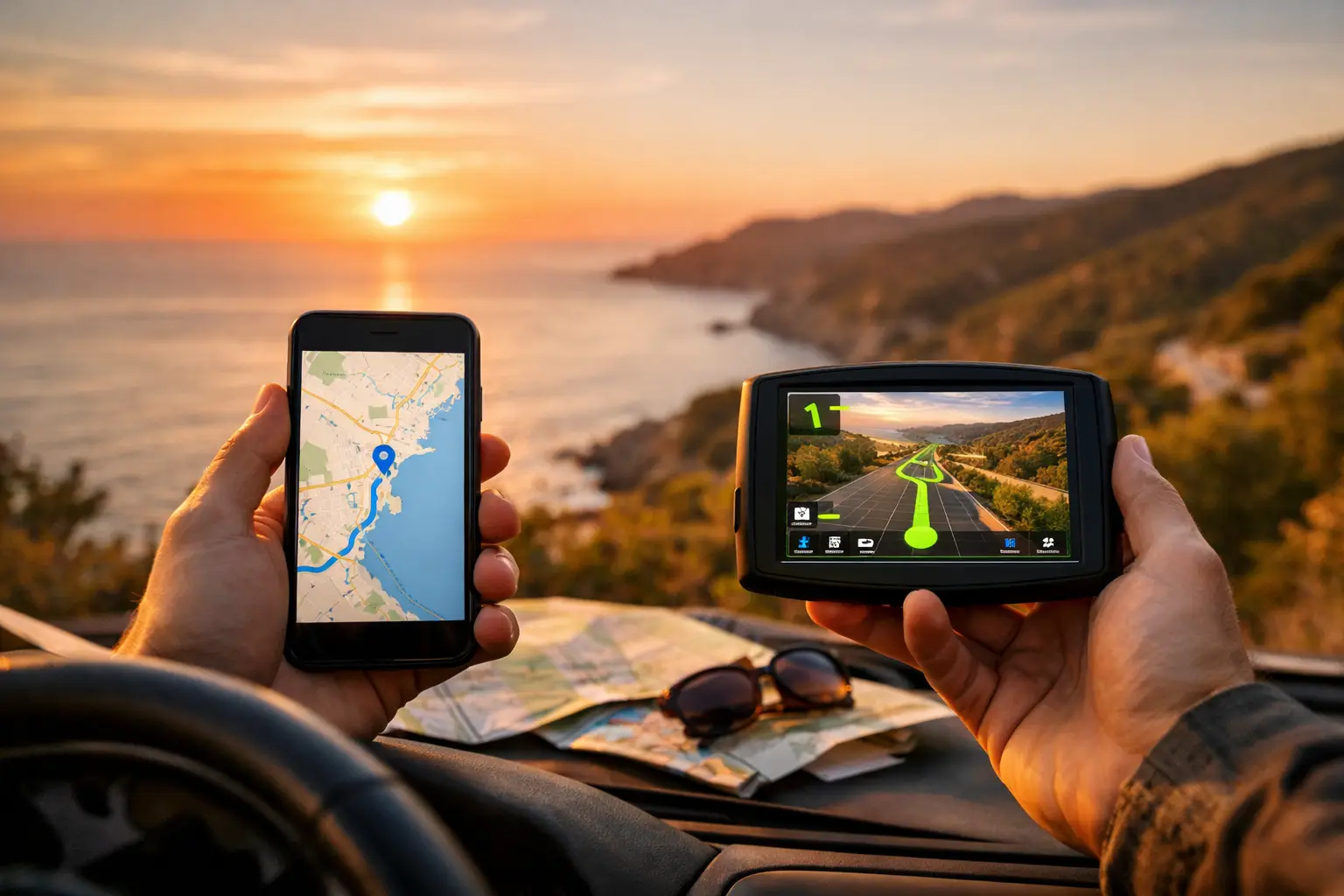
> Quick answer: A map app is built to get you from A to B. A route planner is built to organise the whole journey - including multiple stops, timing, distances and the practical decisions around them. For a longer road trip, the strongest setup connects your route with your budget, fuel use, bookings, vehicle records and travel companions. > > When you are trying to reach a campsite before dark, a map app is exactly what you need. Open it, check traffic, follow the turn-by-turn directions and keep moving. But when you are mapping three weeks through the Red Centre, coordinating two vans, watching fuel spend and trying not to miss a vehicle service, navigation alone stops being enough. > > That is the real difference in the route planner vs map app decision. One helps you drive the next leg. The other helps you run the trip. > > ## What a map app does well > > A map app is designed for immediate navigation. It finds a destination, offers a few route options, estimates travel time and responds to changing traffic, road closures or a wrong turn. For a day trip, airport run or a simple drive to the next town, it is fast and useful. > > It is also the right tool when conditions change on the road. A detour around an accident, a last-minute search for a supermarket, or a quick check of the nearest fuel station does not need a detailed travel system. You need a map, a current location and clear directions. > > The limitation is that most map apps treat each destination as a separate request. They can show the road ahead, but they do not usually hold the wider operating picture: what the trip is costing, how long you are staying, whether a booking is confirmed, when the tyres were last rotated, or what your travel partner has added to the plan. > > ## What a route planner adds to a road trip > > A route planner starts with the journey rather than the next turn. It lets you build a sequence of stops, assess the distance between them and create a trip that works at a realistic pace. This matters when the route includes remote stretches, towing days, border crossings, national parks, ferry times or several people with different priorities. > > For example, a couple travelling from Melbourne to Cape York may know their broad direction, but the operational questions are more specific. How far is sensible to drive with the camper? Where are the overnight stops? How much fuel should be allowed for on the next remote section? Is the next planned stop practical if rain changes the road conditions? What maintenance is due before leaving sealed roads? > > A good route planner provides a framework for those questions. It becomes more valuable when it is not isolated from the rest of the trip information. > > ### The difference between a route and a travel plan > > A route is a line connecting places. A travel plan is the decisions attached to that line. > > Those decisions include accommodation, activities, fuel estimates, food allowances, gear, vehicle readiness and the people travelling with you. A route planner gives structure to the itinerary. A complete travel management system goes further by showing how the itinerary affects your money, vehicle and time. > > That distinction matters most on extended trips. The longer you travel, the more small details turn into a pile of notes, screenshots, pins, spreadsheets and messages. What started as an easy holiday route can become difficult to manage halfway through the journey. > > > Start Tracking Free > > > > Want to track your own trip costs without spreadsheets? Create a free Trip Tracka account and start tracking fuel, food, accommodation, maintenance, budgets and trip expenses in one place. > > ## Route planner vs map app: the practical comparison > > Neither tool replaces the other. The best choice depends on the type of travel you are doing and how much control you need. > > A map app is usually enough for a short drive, a weekend away with one or two loose stops, or a trip where you are happy to decide as you go. It is quick, familiar and excellent at live navigation. > > A route planner is the better fit when you are managing a multi-stop itinerary, travelling across regions or countries, towing a caravan, overlanding, travelling with a group, or working within a defined budget. It gives you a clearer view before departure, which reduces the number of avoidable decisions made on the side of the road. > > For many travellers, the answer is not route planner or map app. It is route planner and map app, used for different jobs. Plan the journey with enough detail to understand the distances, stops and costs. Then use navigation while driving each leg. > > ## Where basic navigation falls short > > The gap becomes obvious when the route changes. Say a free camp is full, a booking needs to move, or you choose to stay an extra night because the weather is good. A map app can reroute you. It will not automatically help you see what the change does to your accommodation spend, fuel budget, onward bookings or maintenance schedule. > > The same applies to vehicle costs. Fuel is rarely just another receipt on a big road trip. It is often one of the largest moving expenses, particularly for a loaded 4WD, motorhome or caravan setup. Tracking litres, price, distance travelled and fuel economy gives you a far more useful picture than a pin showing the nearest servo. > > A traveller who knows their cost per kilometre can make better decisions about route length, driving days and overall affordability. A traveller with a maintenance history in the same system can also see when a service, spare part replacement or inspection should be dealt with before it becomes a problem in a remote area. > > ## Build a trip around decisions, not scattered apps > > The practical goal is not to collect more travel apps. It is to reduce the number of places you need to check. > > Start by mapping your major stops: the destinations that have bookings, fixed dates or experiences you do not want to miss. Add the flexible overnight options around them, then review driving distances with your vehicle and travel style in mind. A 600-kilometre day may be achievable on paper, but it can be a poor choice when towing, travelling with kids or arriving at an unfamiliar camp late. > > Next, set a working budget across categories such as fuel, accommodation, food, activities, repairs and miscellaneous spending. It does not need to be perfect. A realistic starting figure is more useful than no visibility at all. As expenses are recorded during the trip, you can see whether the plan still holds and adjust before the budget gets away from you. > > Finally, keep bookings, travel notes, gear details, vehicle records and group communication attached to the trip. If your partner needs the campsite confirmation or another vehicle in the convoy needs the next meeting point, it should not be buried in an old message thread. > > ## Choose based on the trip you are actually taking > > A simple map app remains one of the most useful tools in any traveller's kit. Do not overcomplicate a straightforward drive just because more features exist. > > But if travel involves a vehicle you maintain, a budget you need to protect, a route with multiple overnight stops or people who need the same information, a route planner delivers more value. It moves planning from a collection of disconnected tasks into a working system. > > For full-time travellers and frequent road trippers, that system can also become a travel record. You can look back at where you stayed, what the journey cost, which routes worked, how the vehicle performed and the memories made along the way. That is useful long after the navigation instructions have disappeared. > > > Start Tracking Free > > > > Plan the route, record every travel expense, monitor fuel economy, manage vehicle maintenance and keep your trip details together without spreadsheets. > > The best travel days still leave room for a spontaneous turn-off, a longer stay by the coast or a camp spot recommended by another traveller. Planning is not about removing that freedom. It is about knowing the important details are under control when you choose to take the scenic way. > > ### About the author > > By Craig Watts, founder of Trip Tracka > Built by travellers, for travellers - Trip Tracka helps you plan better trips, track costs, organise gear, save stops and keep your travel records in one place. > > Built while travelling full-time to help travellers plan trips, track expenses, manage budgets, record fuel, store gear details and keep travel records without spreadsheets.