
How to Track Caravan Expenses on Every Trip
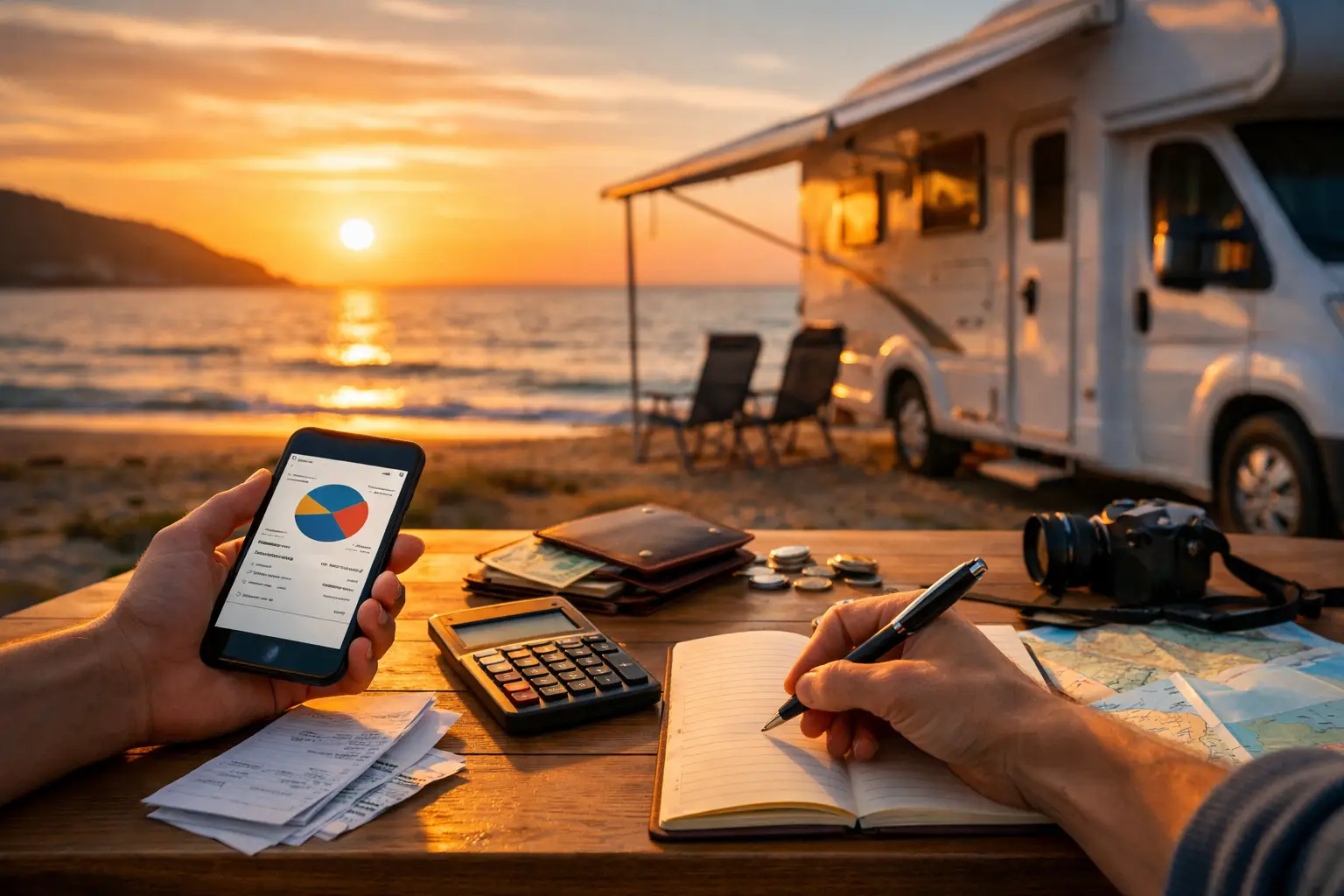
> Quick answer: To track caravan expenses properly, record every cost against the trip as it happens, then group it into clear categories such as fuel, accommodation, food, maintenance, activities and gear. The useful number is not only your total spend - it is what each category costs per day and per kilometre, so you can make better decisions before the budget gets away from you. > > A caravan trip can look affordable when you are only watching the big payments. You book a park, fill the tank and stock the fridge, then a few smaller costs begin to stack up: a dump point fee, a replacement gas bottle, laundry, ice, a new hose fitting, a takeaway after a long drive. By the time you arrive home, the true cost of the trip is usually scattered across bank transactions, receipts and a vague memory of what happened where. > > To track caravan expenses with any accuracy, treat your trip like an operating plan rather than a pile of receipts. You do not need to remove the spontaneity from travel. You just need a simple system that captures the numbers while they still mean something. > > ## Start with a trip budget that reflects real caravan travel > > A useful caravan budget starts with the costs you can reasonably forecast, then leaves room for the costs that cannot be predicted. Fuel, caravan parks, food and bookings are obvious. Vehicle servicing, tyres, recovery gear, tolls, gas refills, paid attractions and emergency repairs are just as real, even if they do not appear on every trip. > > Set a total trip budget first, but do not stop there. Break it into categories you can act on. If fuel is running high, you may choose a shorter driving day or slower route. If accommodation is the pressure point, a mix of low-cost camps, station stays and caravan parks may bring the daily average back into line. A single total cannot tell you where to adjust. > > For a two-week lap through regional Victoria, for example, a family towing a caravan might allow for fuel, sites, groceries, eating out, activities, maintenance and a contingency amount. The contingency is not a failure in planning. It is what stops one cracked jockey wheel, blown fuse or unexpected mechanic visit from making the whole trip feel financially out of control. > > ## Record expenses when they happen > > The best time to log a cost is when you pay it. Waiting until the evening sounds manageable, but receipts get lost, transactions become hard to identify and shared costs turn into a guessing game. A quick entry at the servo or caravan park is more reliable than reconstructing a fortnight on the drive home. > > For each expense, capture the amount, category, date and location. Add a short note when it will be useful later. “Diesel, Mildura”, “two nights powered site”, or “wheel bearing replacement” provides context that a bank statement never will. > > Cash deserves the same attention as card payments. It is often used for local markets, camp donations, laundry and small town attractions - exactly the costs that disappear from a trip total when they are not recorded. If you travel with a partner, agree on one process for entering shared spending so neither person assumes the other has logged it. > > Want to track your own trip costs without spreadsheets? Create a free Trip Tracka account and start tracking fuel, food, accommodation, maintenance, budgets and trip expenses in one place. > > Start Tracking Free > > ## Use categories that answer practical questions > > Too many categories create admin. Too few categories hide the reason your spending changed. The right setup is detailed enough to guide decisions, but simple enough that you will actually use it on the road. > > For most caravan trips, fuel, accommodation, food, dining out, maintenance, vehicle costs, activities, gear and miscellaneous spending are enough. Keep pre-trip purchases separate from travel-day spending where possible. A new awning, a solar upgrade or a full service before departure can be valuable trip costs, but they distort the day-to-day figure if mixed with groceries and overnight stays. > > There is also a judgement call around gear. If you buy a camp chair that will last for years, you may prefer to record it as equipment rather than charge the whole purchase to one weekend away. If you buy a replacement water pump during the trip, record it under maintenance and note the vehicle or caravan it belongs to. The aim is to build records you can use next time, not to force every dollar into an artificial rule. > > ### Track fuel beyond the bowser total > > Fuel is usually the largest variable cost in a towing trip, so it deserves more than a single total. Record litres, price per litre, odometer reading and the vehicle used. With that information, you can see fuel economy over time and calculate fuel cost per kilometre. > > This matters when conditions change. Strong headwinds, a heavily loaded van, soft tracks, mountain climbs and long idling periods can all affect consumption. Comparing a $220 fill with the previous $220 fill tells you very little. Comparing litres used, kilometres travelled and cost per kilometre tells you whether the route, load or driving conditions are changing the real cost of the journey. > > Do not chase a perfect figure at the expense of enjoying the trip. Fuel data is most useful over several fills, not one short leg. It helps you budget the next run, spot a sudden consumption issue and understand what towing your particular rig actually costs. > > ### Keep maintenance separate from everyday travel spending > > A caravan and tow vehicle are working assets on the road. Tyres, bearings, brakes, batteries, servicing and repairs are not random interruptions to the holiday - they are part of travelling safely and independently. > > Record maintenance against the relevant vehicle or caravan, along with the date, odometer or service interval, parts used and cost. This creates a proper history rather than a collection of workshop invoices in the glovebox. It also makes it easier to plan future servicing around a big trip and understand your total ownership cost over a season. > > For full-time travellers, maintenance can be lumpy. One month may include little more than a gas refill, while the next includes tyres and a major service. Looking at costs across several months or an entire year gives a more honest view than judging a single expensive week. > > ## Review the numbers while there is still time to act > > Expense tracking is not only for the post-trip debrief. Review your spend every few days, especially on longer journeys. Check your total against the budget, then look at the category causing the difference. > > If you are over budget on food, the answer might be a supermarket stop before entering a tourist town. If accommodation is higher than planned, booking the next two nights earlier could avoid premium last-minute rates. If fuel costs are climbing, it may be worth choosing a rest day rather than pushing through another long towing leg. > > Also compare cost per day with cost per kilometre. A slow week parked beside the coast may have a higher accommodation cost but low fuel use. A fast transit week may have cheap camps and expensive diesel. Neither is automatically wrong. The numbers simply show the trade-off, allowing you to travel in the way that suits your budget and priorities. > > ## Build a record that improves every future trip > > The real value appears after several trips. You begin to know what a long weekend costs with the van, what a two-week school holiday road trip needs in reserve, and how much to allow for towing through remote areas. Your estimates become based on your own vehicle, travel style and crew - not generic averages that may not apply to your setup. > > A travel-specific dashboard is more useful than separate notes, maps, fuel apps and spreadsheets because each cost sits alongside the route, stops, bookings and vehicle records that created it. Trip Tracka brings those working details together, giving you a clearer view of where the money went and what to plan differently next time. > > Ready to replace scattered receipts and spreadsheet catch-ups? Set up your next caravan trip, add your budget and keep each expense attached to the journey as you travel. > > Start Tracking Free > > The goal is not to make every caravan trip cheap. It is to know what your freedom on the road costs, spend confidently on the parts that matter, and return with records that make the next departure easier. > > By Craig Watts, founder of Trip Tracka > Built by travellers, for travellers - Trip Tracka helps you plan better trips, track costs, organise gear, save stops and keep your travel records in one place. > > Built while travelling full-time to help travellers plan trips, track expenses, manage budgets, record fuel, store gear details and keep travel records without spreadsheets.