
Road Trip Packing List: What to Bring, Where to Put It and What to Skip
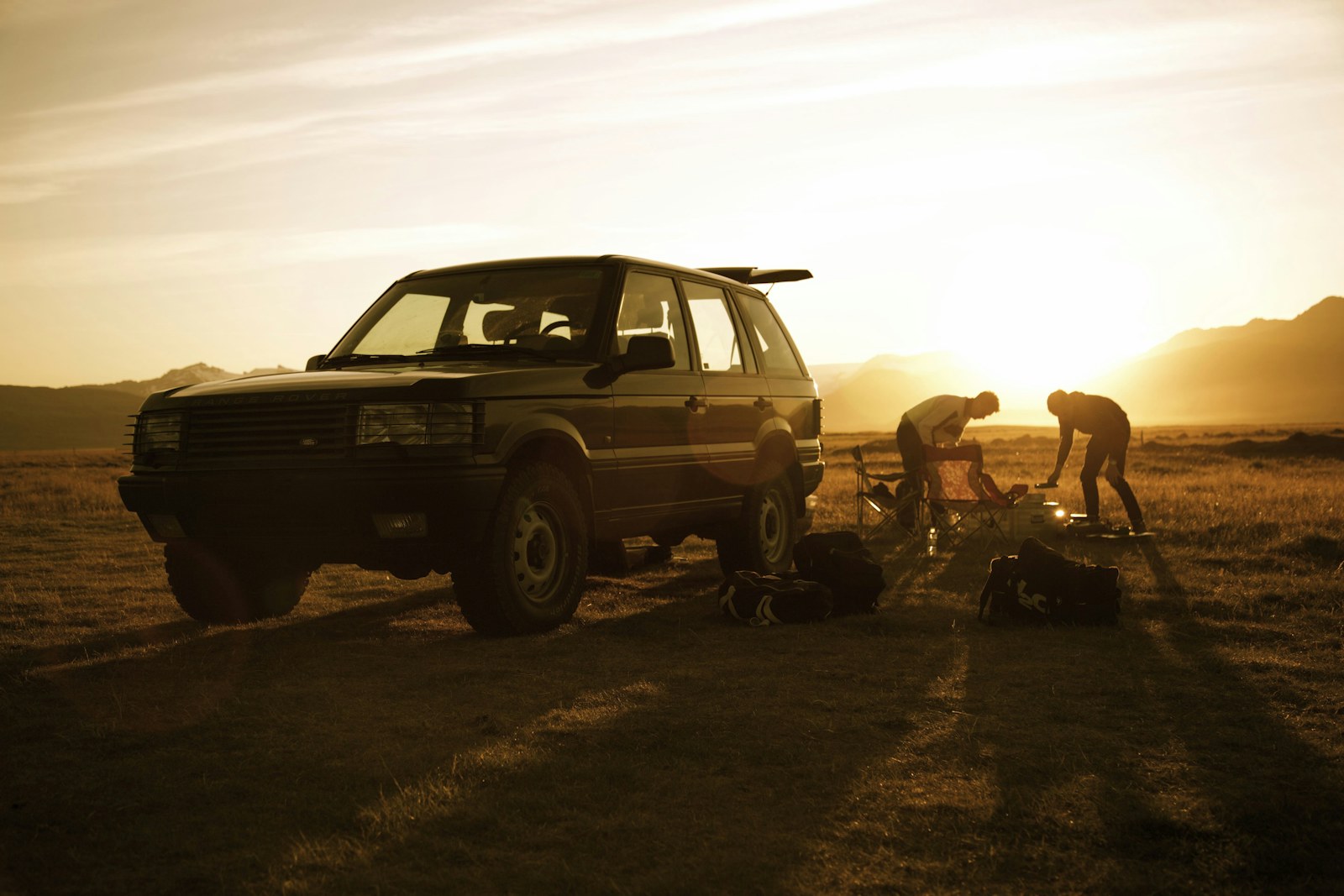
The car is packed. You are halfway to the first stop. Then somebody asks where the medication is, the phone is nearly flat, and the rain jackets are buried under three bags. A useful road trip packing list solves that problem before you leave.
The quick answer: Pack in three zones: a small bag you can reach while stopped, an overnight bag you can grab without unloading the car, and the rest of your luggage secured in the back. Bring the essentials for your route, weather and travellers; skip the duplicates and “just in case” gear you are unlikely to use.
The road trip packing list to copy
Use this as a starting point, not a rule for every destination. Check off what you need and remove the rest.
Documents, money and navigation
- Driver's licence, vehicle or rental documents, insurance and roadside assistance details where required.
- Booking confirmations, entry documents and permits for each destination or border crossing.
- Payment cards and a modest backup payment option suited to your route.
- Downloaded maps, saved addresses and a way to navigate if reception drops.
- A written or saved itinerary and an emergency contact who knows your expected stops.
For a multi-stop trip, keep your overnight stops and booking details in a Trip Tracka travel plan. Check local entry and driving requirements before an international trip; they vary by country, vehicle and licence.
The easy-reach bag
- Phone, charging cable, car adapter and a charged power bank.
- Water bottle for each person and snacks that travel well.
- Medication needed during the drive, tissues, hand sanitiser and a small rubbish bag.
- Sunglasses, a warm layer and a rain jacket if the forecast calls for them.
- Wipes or a cloth for spills, plus one small activity for each passenger who needs it.
Keep this bag accessible when the vehicle is safely stopped. Do not place loose items where they can interfere with driving or block the driver's view. A neat front seat is no help if an emergency kit is trapped under the luggage.
Clothing and overnight essentials
- Comfortable clothes for the forecast, plus a layer for colder evenings.
- Underwear, socks, sleepwear and shoes suited to your planned activities.
- Toiletries, sunscreen and any prescription medicines in their appropriate packaging.
- A compact first-night bag with sleepwear, toiletries, chargers and a change of clothes.
- Laundry bag and any item you cannot easily replace at your destination.
Packing for seven days does not automatically mean seven different outfits. If you can wash clothes en route, plan a smaller rotation. The first-night bag is especially useful when you arrive late and do not want to unpack the whole car for one toothbrush.
Roadside and vehicle kit
- First-aid kit, flashlight or headlamp, and basic supplies appropriate to your route.
- Vehicle-specific spare tyre or repair arrangement, jack and tools if provided and if you know how to use them.
- Jumper cables or a suitable jump starter, work gloves and a tyre pressure gauge.
- Drinking water, nonperishable food, weather-appropriate blankets or warm layers, and a backup map.
- Any legally required warning equipment for the countries or regions you will drive through.
The US National Highway Traffic Safety Administration's road trip guidance recommends an emergency roadside kit and checking the vehicle, weather and road conditions before departure. Adapt its list to your vehicle and local rules. For the mechanical checks, use our road trip vehicle checklist; a packed toolkit does not replace a sound vehicle.
Pack by access, not by suitcase
Think about what you will need during the drive, at the first stop and only at the destination. Put the easy-reach bag where passengers can get it when parked. Put the overnight bag near the top of the luggage. Secure heavy gear low in the cargo area according to your vehicle's guidance, and keep the cabin free of loose hard objects.
A five-minute test is useful: imagine arriving in rain after dark. Can you find a jacket, light, booking and toothbrush without emptying the car? If not, move those items. Record higher-value gear, serial numbers or receipts in a travel gear inventory before it disappears into a stack of bags.
Add only the extras your trip actually needs
With children: Pack a small back-seat activity pouch, age-appropriate snacks, spare clothes and the correct child restraint for every leg. Plan real stops rather than expecting everyone to sit happily through a long driving day. Check the child-restraint rules where you will drive.
With pets: Check whether accommodation, parks and border crossings allow them. Bring water, food, a secure travel restraint or carrier suited to the animal, clean-up supplies and any required records. Never leave an animal in a parked vehicle in unsafe conditions.
For camping: Add shelter, sleep gear, lighting, a cooking setup if permitted, water and sanitation supplies based on the campsite's facilities. Parks Victoria's camping checklist is a useful example of how the list changes when a site has few facilities. For a seaside stop, use the beach camping checklist and confirm local permits and tides.
For a rental or international route: Check what the vehicle already includes before you buy or carry duplicates. Confirm the rental's breakdown process, charging or fuel requirements, permitted roads, cross-border conditions and any local safety equipment rules. Keep the details available offline.
What to leave behind
The easiest way to pack lighter is to question every bulky duplicate. Do you need two large coolers for a weekend? Three pairs of shoes for one walking route? A full kitchen when every night is in a hotel? Leave space for the people, the safe loading limits and the things you will use.
The same rule applies to spending. Write down gear you genuinely need to buy, then compare it with the rest of the trip in a Trip Tracka budget. Packing extra equipment can cost money and space; forgetting a key item can mean an expensive replacement on the road. A list helps you make that trade-off before checkout.
The ten-minute departure check
Before you pull away, run through this short final pass:
- Confirm everyone has their documents, medication, phone, charger and water.
- Check the route, first stop, weather and accommodation arrival details.
- Make sure luggage is secured and nothing obstructs visibility or vehicle controls.
- Check tyres, lights, fluids or charging/fuel status as appropriate for the vehicle.
- Tell a trusted person your route and expected arrival if the drive is remote.
Your packing list should change after each trip. Note what you used, what stayed untouched and what you had to buy. That small review makes the next departure easier than the last.
Frequently asked questions
What are the most important road trip essentials?
Start with required documents, medication, water, charging, navigation, weather-appropriate clothing and a roadside kit matched to the vehicle and route. Then add the overnight bag and any family, pet or camping needs. The exact list depends on the trip.
What should stay within reach in the car?
Water, a phone and charger, medication needed en route, tissues, a small snack and a weather layer are good candidates. Access them when safely stopped; keep the driver's area clear and secure loose items.
How do I pack for a long road trip without overpacking?
Plan around laundry, the forecast and the activities you will actually do. Pack a first-night bag, use one easy-reach bag, and leave out duplicate bulky items. Recheck the vehicle's load limits if you are carrying substantial gear or towing.
Do I need a different list for a campervan or caravan?
Yes. Start with this personal and roadside list, then add the vehicle's cooking, sleeping, water, waste, power and setup equipment. Check what your hire vehicle supplies, and plan campsites and fuel or charging stops around the route.
Ready to turn the checklist into a trip? Add your stops to the road trip planner, build a packing list from your Trip Tracka gear inventory, and create a free account to keep the plan and actual spending together.
Cover photo: Mads Schmidt on Unsplash.