
Beach Camping Checklist: Plan a Safe Seaside Camp
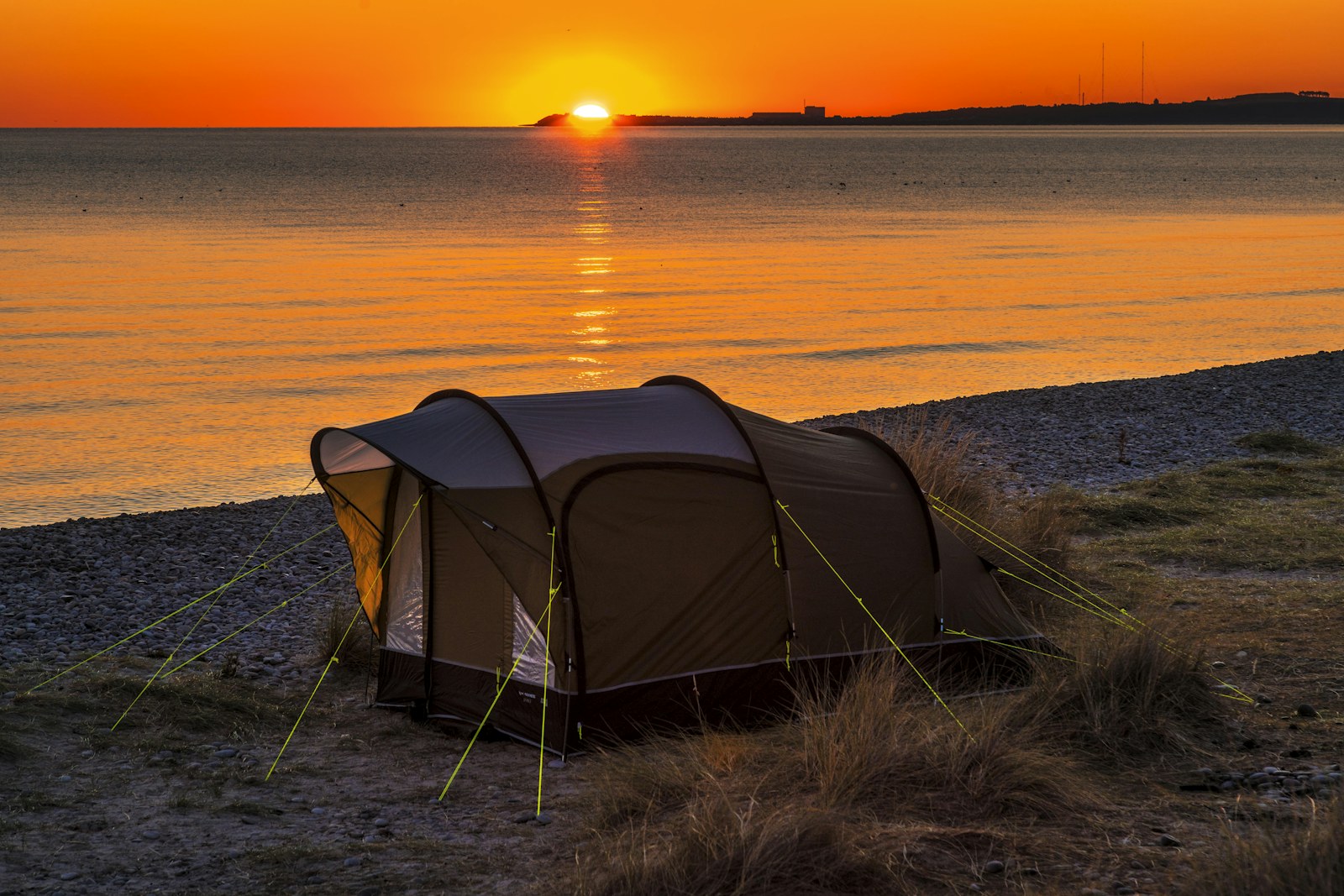
A beach camp can be a brilliant way to finish a travel day: a simple meal, salty air and the last light over the water. The best spots still need more planning than an ordinary inland campsite. Rules change by beach, tides can cut off access, and a calm afternoon can become a windy night.
The quick answer: Confirm that overnight camping is allowed, book or obtain any permit, check the local tide and weather forecast, choose an established site beyond the reach of the sea, and pack for wind, salt, sun and limited facilities. Then add the campsite, travel legs and expected costs to one trip plan.
1. Check whether you can camp there
A beach that is open for daytime visits may prohibit overnight camping. Check the land manager's current rules before you drive: a national or state park, local council, private operator or other authority may require a designated site, advance booking, vehicle permit or seasonal closure check. Ask about fires, pets, generators, waste disposal and vehicle access too.
If your route crosses borders or regions, repeat this check at each stop. A pin on a map is not a camping permit. Save your booking confirmation and the site's arrival instructions where you can find them offline.
2. Plan around tides, weather and access
Look up tide times from the official local tide service for your exact coast and dates, then check the weather and any coastal warnings. A forecast low tide at lunchtime tells you little about where the water may reach overnight. Some remote coastal routes also become impassable at high tide; do not assume a beach road or walking approach will stay open.
Choose an established, permitted camping area on stable ground outside the high-water zone. Stay off fragile dunes and vegetation. If the safe line is unclear, ask the local ranger or campsite operator; move to a different site if conditions are doubtful. National Park Service coastal guidance shows why high tides and permits matter at individual parks, while its wilderness coast advice illustrates how access can depend on tides.
Wind matters as much as rain. Check forecast gusts, orient the tent with the door away from the strongest wind, use anchors suited to the permitted ground, and keep food and loose equipment secured. Never drive onto sand unless vehicle access is expressly allowed and your vehicle and recovery plan suit the conditions.
3. Pack the beach camping essentials
Use this list as a starting point, then adapt it to the climate, campsite facilities and your group:
- Shelter: a tent with a suitable rainfly, groundsheet, extra guylines and pegs or anchors appropriate to the site.
- Sleep: a sleeping bag or bedding suited to the night temperature, a sleeping mat and dry clothes.
- Water and food: enough drinking water for the whole stay plus a reserve, simple meals, a cooler if needed, and a safe way to store food.
- Cooking and light: a permitted stove and fuel, headlamp, spare power and a way to manage food waste. Check fire restrictions before bringing firewood.
- Sun and weather: shade, sunscreen, hat, layers, waterproofs and a dry bag for electronics.
- Health and navigation: first-aid kit, medications, downloaded maps, a charged phone and an emergency contact plan.
- Clean-up: rubbish bags, a reusable water container and sanitation supplies that match local rules.
Keep the kit lean enough to carry from the parking area. Record valuable equipment and receipts in a travel gear inventory, then tick through a personal packing list before departure.
4. Build a realistic beach camping budget
The campsite fee is only one line. Include permits, parking or vehicle access, fuel or transit, groceries, drinking water, cooking fuel, gear you need to buy or replace, and a buffer for a weather change or an extra night elsewhere. Compare the total with the other stops on your trip, especially if you're combining camping with paid accommodation.
For example, write down nights × campsite fee, then add transport, food and one-off purchases separately. That makes a cheap-looking campsite easier to compare fairly with another option. Set a plan in the Trip Tracka trip budget planner and record actual spending in the travel expense tracker. For a longer drive, use the road trip budget guide to catch costs beyond the campsite.
5. Leave the beach ready for the next visitor
Use existing campsites and durable surfaces where permitted. Pack out litter and food scraps, manage human waste according to the site rules, leave shells and natural objects in place, and give wildlife space. Leave No Trace's seven principles offer a useful framework, but the local land manager's instructions take priority.
Before sleeping, check that water, wind and weather still match your plan. Before leaving, do a final sweep around the tent, cooking spot and vehicle. Small items such as bottle caps, tent ties and food packaging are easy to miss in sand.
Beach camping checklist to copy
- Confirm camping is legal and book the correct campsite or permit.
- Check official tide times, coastal warnings and the latest weather.
- Confirm access, parking, arrival time, facilities and fire rules.
- Mark a safe established site beyond the high-water zone.
- Pack shelter, sleep gear, water, food, lighting, first aid and rubbish bags.
- Add campsite, transport, food, gear and contingency costs to the budget.
- Download directions and share your plan with someone at home.
- Recheck conditions on arrival and leave the site clean.
Frequently asked questions
Can you camp on any beach?
No. Permission depends on the land manager and the specific area. Some beaches allow camping only in marked sites with bookings or permits; others prohibit it entirely. Check the current local rules before you set off.
How far from the water should a tent be?
There is no universal distance. Tidal range, waves, storm surge and local geography differ. Use an approved campsite on stable ground beyond the expected high-water reach and follow local ranger advice. If you cannot identify a safe permitted site, choose another campsite.
What is easy to forget for beach camping?
Drinking water, extra guylines or suitable anchors, a headlamp, warm layers, rubbish bags, offline directions and a backup plan for bad weather. A packed gear list helps you spot gaps before departure.
Planning several nights along the coast? Pair this checklist with our coastal road trip planning guide, then start a free Trip Tracka plan to keep your stops, gear and spending together.
Cover photo: martin bennie on Unsplash.