
How to Split Travel Expenses With Friends Without the Awkward Maths
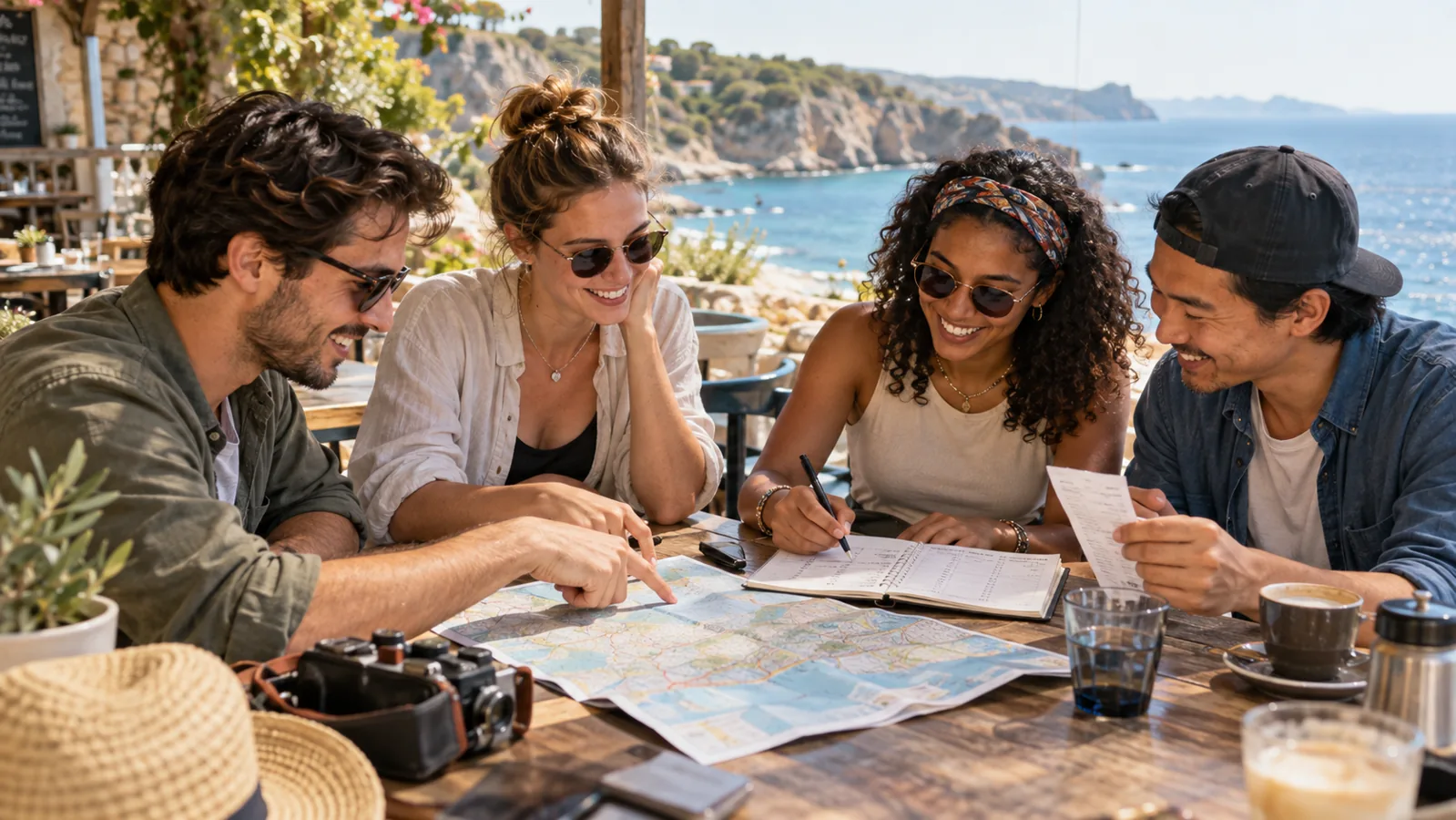
Travelling with friends is easier when everyone can see what a trip costs. The awkward part usually comes later: one person paid for the accommodation, another covered fuel, and several small purchases never made it into the group chat.
The quick answer: agree which costs are shared, record each payment with its payer and participants, then settle the net balances rather than sending money back and forth after every purchase. Here is a simple method that works for a weekend away or a multi-country trip.
1. Agree on the rules before the first booking
Have a five-minute conversation while the plan is still flexible:
- Which costs are shared? Accommodation, vehicle hire, fuel, tolls and group activities are common examples. Personal shopping, individual meals and optional activities can stay separate.
- Who is included in each cost? An equal split among four people makes sense only when all four used or agreed to the purchase.
- What happens if plans change? Decide how to handle a late arrival, a missed activity or a cancellation before anyone owes money.
- When will you settle? At the end of each travel leg or once at the end of the trip both work. Frequent check-ins keep errors small.
Write the rules in the shared trip notes so nobody has to rely on memory. If one traveller has a private room or skips an excursion, record that purchase separately or use an uneven share agreed by the group.
2. Set a shared budget that everyone can understand
Start with a rough total for accommodation, transport, food and activities. Add a buffer for parking, local transport, booking fees and changes of plan. The aim is not to predict every coffee; it is to make the big decisions visible before anyone commits money.
For a road trip, estimate fuel and tolls alongside accommodation. For a city break, focus on lodging and local transport. The Trip Budget Planner gives the group a place to compare planned costs with what actually happens.
3. Record each payment when it happens
For every shared purchase, note the amount, currency, date, payer, category and people included. Do it on the day. A receipt can help resolve a later question, but a clear entry is the important part.
Use one shared trip ledger instead of separate notes on different phones. Trip Tracka's Group Travel Expense Tracker lets the group log costs against the trip and review individual balances. The Group Trip Planner keeps the route and conversation with the same trip.
A simple three-person example
Alex pays 180 for accommodation. Blair pays 90 for fuel. Casey pays 60 for groceries. All three agreed to share those costs equally.
The total is 330, so each person's share is 110. Alex paid 70 more than their share; Blair paid 20 less and Casey paid 50 less. Instead of three separate reimbursements for individual purchases, Blair pays Alex 20 and Casey pays Alex 50. Everyone ends at 110.
This example uses one currency and equal participation. Real trips may include a dinner that only two people attended or a booking fee paid by one person. Mark those as separate expenses with the right participants.
Ready to stop chasing receipts? Create a Trip Tracka account and keep your plan, budget and shared costs together.
What about different currencies?
Keep the original amount and currency for each purchase. Decide together which currency you will use to settle and which exchange rate or card charge you will accept for the final calculation. Exchange rates and card fees can make two apparently equal amounts different in practice.
Do not add 100 pounds, 100 euros and 100 francs as though they were the same amount. Review each local-currency entry and the converted trip total before settling. See the multi-country trip planner if your route crosses borders.
A fair settle-up routine
- Ask everyone to add any missing costs.
- Check unusual or large entries with the group.
- Confirm which travellers shared each expense.
- Review the net balance per person.
- Make the agreed payments and mark them as settled in your own records.
Doing this before the group disperses is much easier than reconstructing a week of small payments later.
Frequently asked questions
Should we split every travel expense equally?
Only when everyone agreed to and benefited from the cost. Keep personal purchases separate and split optional activities among the people who joined them.
What if one person pays for most of the trip?
That is fine if the group records payments promptly. At the end, compare each person's total paid with their agreed share and settle the difference.
How do we handle a friend joining halfway through?
Include them only in costs that apply after they join, unless everyone explicitly agrees to share an earlier booking.
Can we plan the trip and track costs in one place?
Yes. Use a shared trip for routes and plans, set a budget, then add expenses as you travel. Explore Trip Tracka's group travel tools or start planning.