
What Should a Road Trip Itinerary Include?
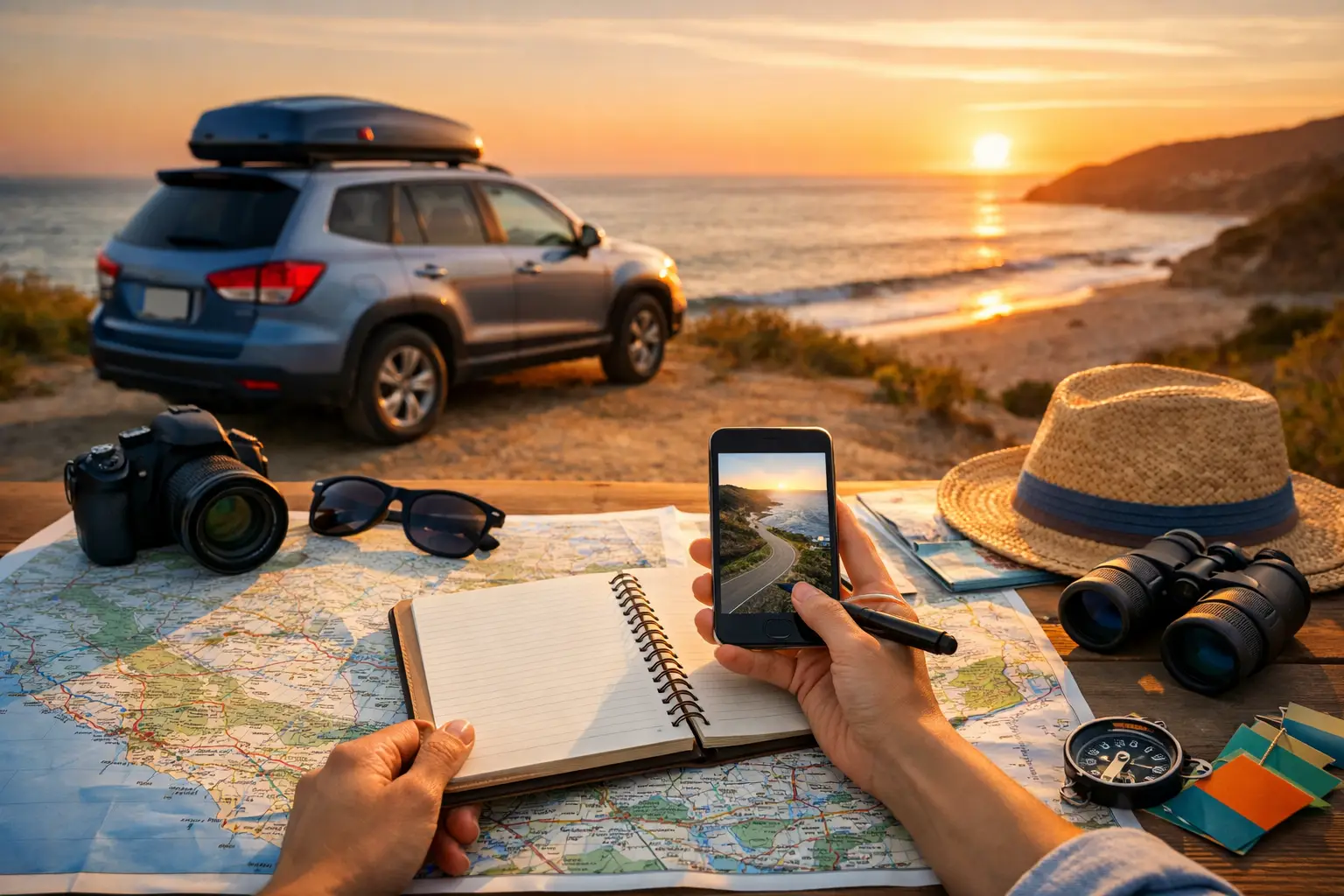
> Quick answer: What should a road trip itinerary include? At minimum, it needs your route, realistic driving times, overnight stops, bookings, budget, fuel plan, vehicle checks, emergency contacts and a way to track changes. The best itineraries also leave room for weather, road closures, slow travel and the unplanned stops that make a trip memorable. > > A road trip can unravel well before you leave the driveway. It happens when a booking confirmation is buried in someone’s inbox, the fuel budget is only a rough guess, the caravan service date is uncertain, and each traveller has a different idea of where the first overnight stop is. A proper itinerary is not a rigid timetable. It is the working plan that keeps the practical side of travel under control so you can enjoy the country rolling past the windscreen. > > For a weekend loop in a car, that plan may fit on one page. For a multi-week campervan, 4WD or caravan journey, it needs more detail. The goal is the same: know where you are going, what it will cost, what the vehicle needs and what to do when the plan changes. > > ## What should a road trip itinerary include? > > Start with the trip’s basic frame: departure date, return date, travellers, vehicle and the purpose of the trip. A family holiday has different priorities from a solo overlanding route or a convoy trip with two caravans. This context shapes every other decision, from daily distances to accommodation and contingency money. > > Your itinerary should then connect eight practical areas: route and driving days, stops and accommodation, bookings, trip budget, fuel and vehicle costs, vehicle readiness, packing and gear, plus contacts and shared information. Keeping these parts together prevents the usual mess of map pins, screenshots, notes, banking apps and group messages. > > ### Route, distance and realistic drive times > > Map the primary route first, then add sensible alternatives. Include the total distance, planned kilometres each day, estimated driving time and key turn-off points. Navigation apps are useful, but their arrival times do not account for towing, fuel stops, roadworks, photo breaks, kids, corrugations or finding a campsite before dark. > > For most travellers, a shorter driving day is worth more than squeezing in one extra attraction. If you are towing a van, travelling with pets or using regional roads, build in extra time from the outset. Note fuel stations on long stretches, especially where opening hours, diesel availability or premium pricing may affect your plan. > > Also record the conditions that can change a route. Wet-season road closures, bushfire alerts, floodways, unsealed roads, height restrictions and national park access rules can turn a straightforward day into a detour. A good itinerary identifies the risk before you lose mobile coverage. > > ### Overnight stops and booking details > > Every overnight stop should show the address or coordinates, check-in details, contact number, booking reference, cost and any arrival restrictions. Add whether the site has power, water, dump-point access, laundry, pet rules or room for your rig. These details matter when you arrive tired after a long drive, not when you are planning from the couch. > > Do not book every night blindly. Busy periods around school holidays, long weekends and popular coastal areas usually justify firm bookings. On a longer trip through quieter regions, flexibility may be more valuable. Set a few non-negotiable stops, then leave gaps where weather, local advice or a great free camp can influence the route. > > ### Budget by category, not one vague total > > A total budget is useful, but it does not tell you what is going wrong. Build your itinerary budget in categories: fuel, accommodation, food, activities, tolls, ferry costs, maintenance, insurance, connectivity and a contingency amount. For international or cross-border trips, add visas, currency fees and vehicle documentation. > > Fuel deserves its own calculation. Estimate kilometres, expected fuel economy and likely fuel price, then allow for towing, headwinds, dirt roads and idling. A vehicle that returns 11 litres per 100 kilometres around town may use far more when it is loaded for a long run through the outback. > > Track actual spending as the trip unfolds, not after you get home. That gives you the chance to adjust accommodation, meals or detours while there is still time to protect the budget. It also creates a reliable record of what your next trip is likely to cost. > > > Want to track your own trip costs without spreadsheets? Start Tracking Free with Trip Tracka to keep fuel, food, accommodation, maintenance, budgets and trip expenses in one place. > > ### Vehicle checks, servicing and running costs > > Your itinerary should not treat the vehicle as an afterthought. Record the current odometer reading, next service due date, tyre condition, spare tyre status, fluid checks, battery health and any known issues. For caravans and trailers, include bearings, brakes, lights, coupling, gas bottles and weight distribution checks. > > Add key documents such as registration, insurance, roadside assistance, recovery cover and vehicle manual details. If the trip crosses state or national borders, check local rules for permits, quarantine restrictions, speed limits and equipment requirements. > > It is worth recording the vehicle’s normal fuel economy and service history before you depart. Changes in fuel use can flag problems early, while a clear maintenance record helps you make a sensible call if a warning light appears hundreds of kilometres from home. The cost of a road trip is not only what you spend at the bowser - tyres, servicing and repairs are part of the true per-kilometre picture. > > ### Gear, food and personal essentials > > A packing list works best when it is tied to the route rather than copied from a generic checklist. A coastal summer trip needs different gear from a winter alpine route, and a self-contained van needs different supplies from a motel-based holiday. > > Include essential recovery and safety gear where it suits your travel style, plus first aid supplies, water capacity, charging cables, camp lighting, cooking gear and weather-specific clothing. Record where major items are stored, particularly in a caravan or packed 4WD. When one person knows the compressor is in the front tunnel boot and another thinks it is under the rear seat, a simple job becomes a frustrating search. > > Food planning belongs here too. List the meals you can prepare before the next major shop, ice or fridge requirements, dietary needs and water refill points. This is less about controlling every meal and more about avoiding an expensive servo dinner because supplies ran out unexpectedly. > > ### Contacts, reservations and shared access > > Keep all essential details in one itinerary: emergency contacts, roadside assistance, insurance claim number, campground contacts, medical information and a trusted person’s details at home. Save digital copies of passports, licences and important bookings securely, with offline access where possible. > > For group trips, agree on the practical rules before departure. Decide who leads each driving day, how vehicles communicate, where the regroup points are, what happens if someone is delayed and how shared expenses will be handled. A group chat helps with quick updates, but it is not a reliable itinerary if the important information is scattered across hundreds of messages. > > Give travel partners access to the same current plan. When a booking changes or a stop is removed, everyone should see it. That is particularly useful for couples sharing driving, families travelling in separate cars and multi-vehicle trips where one change affects the whole group. > > ## Build in room to change the road trip itinerary > > The most useful itineraries include planned flexibility. Add a buffer day on longer journeys, keep some funds unallocated and identify optional stops that can be skipped without spoiling the trip. A flat tyre, a mechanical issue, heavy rain or simply finding a place worth staying another night should not force the entire route to collapse. > > Review the itinerary at the end of each day. Check tomorrow’s fuel range, weather, booking time, road conditions and available cash. Update spending, kilometres and notes while they are fresh. This small routine turns the itinerary from a pre-trip document into a live travel record. > > > Ready to replace scattered notes and expense spreadsheets? Start Tracking Free and build a single trip dashboard for routes, stops, budgets, fuel, maintenance and shared travel plans. > > A well-built itinerary does not make a road trip less adventurous. It removes the avoidable friction - the forgotten booking, the surprise service bill, the rushed arrival after dark - and leaves more room for the detour, the lookout and the campfire you did not know you were looking for. > > By Craig Watts, founder of Trip Tracka > Built by travellers, for travellers - Trip Tracka helps you plan better trips, track costs, organise gear, save stops and keep your travel records in one place. > > Built while travelling full-time to help travellers plan trips, track expenses, manage budgets, record fuel, store gear details and keep travel records without spreadsheets.