
Vehicle Maintenance Records for Road Trips
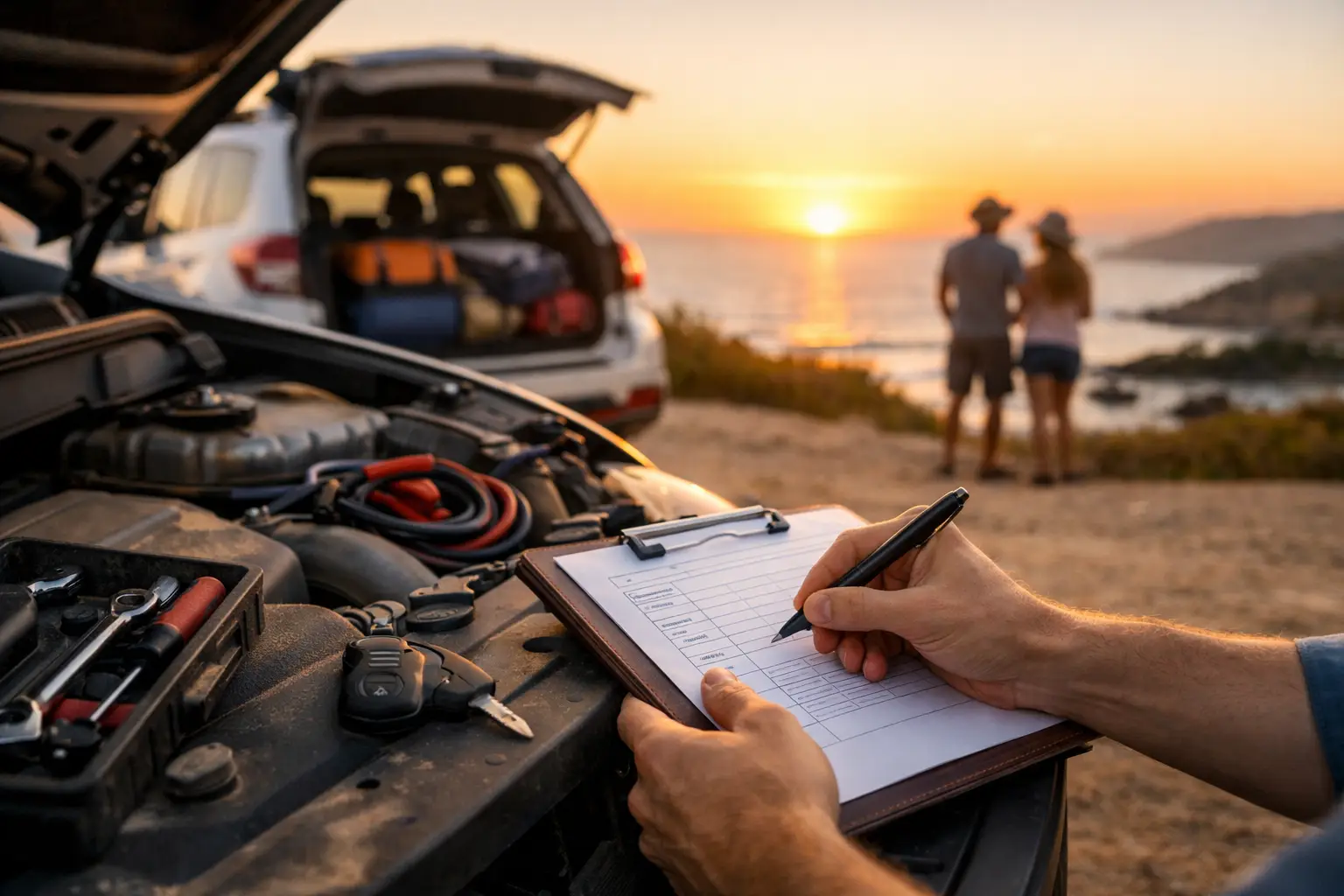
> Quick answer: Vehicle maintenance records are a dated history of servicing, repairs, inspections, parts and vehicle costs. For road travellers, keeping them in one place helps prevent missed maintenance, exposes rising running costs and gives you a reliable record when it is time to sell, claim or troubleshoot. > > A missed service is rarely just a missed service when you are 800 kilometres from home. It can become a noisy wheel bearing outside Broken Hill, an overdue belt on the way to Cape York, or a repair bill that wipes out the accommodation budget for the week. > > That is why vehicle maintenance records matter more when your car, ute, campervan, caravan or 4WD is part of how you travel. A glovebox full of invoices might prove work was done, but it does not tell you what is due next, how much the vehicle is costing per kilometre, or whether a recurring issue is becoming expensive. > > ## What should vehicle maintenance records include? > > A useful record is more than a service stamp. It should show what happened, when it happened, where the vehicle was at in its life, and what it cost. That gives you a practical history rather than a pile of paperwork. > > For every service, repair or replacement, record the date, odometer reading, workshop or supplier, labour cost, parts used and notes about the work completed. Add the next due date or kilometre interval while the job is still fresh. If you handle the work yourself, note the oil grade, filter part number, fluids, torque settings or other details that will matter next time. > > Keep scheduled servicing alongside unscheduled repairs. A replacement battery, puncture repair, suspension bush, cracked windscreen or wheel alignment may not sit on the manufacturer service schedule, but it still affects reliability and total ownership cost. > > For travellers towing a caravan or running a fitted-out rig, the record should extend beyond the engine. Include brakes, tyres, wheel bearings, suspension, solar systems, batteries, gas checks, awnings and recovery gear where relevant. The right detail depends on your setup. A weekend hatchback needs a lighter system than a full-time caravan or overlanding vehicle, but both benefit from knowing what was done and what is coming up. > > ## Why scattered records create expensive surprises > > Most travellers start with good intentions. The service book goes in the glovebox, invoices go into an email folder, tyre details sit in a note on the mobile, and fuel spend ends up in a spreadsheet that is abandoned halfway through the trip. > > The problem is not that any one of these tools is useless. It is that none gives you the complete operational picture. You may know the last oil change date but not the total spend on repairs this year. You may know the tyre brand but not when the rotation is due. You may remember replacing a water pump, but not whether the same issue appeared two years earlier. > > This fragmentation also makes trip budgeting less accurate. A vehicle that averages $0.22 per kilometre in fuel but regularly needs costly repairs has a different real travel cost from one that simply drinks a little more fuel. Maintenance belongs beside fuel, tolls, accommodation and food if you want to understand what a long road trip actually costs. > > Want to track your own trip costs without spreadsheets? Create a free Trip Tracka account and start tracking fuel, food, accommodation, maintenance, budgets and trip expenses in one place. > > Start Tracking Free > > ## A practical system for maintenance records > > The best system is the one you will update at a servo car park, a campsite or while waiting for a mechanic. It needs to be simple enough for everyday use and detailed enough to be useful months later. > > ### Record work as soon as it happens > > Do not wait until the end of a trip. Log the job when you pay the invoice or finish the work yourself. Include the odometer reading, as dates alone can be misleading for people who alternate between long hauls and parked-up periods. > > A timing belt is usually governed by age and distance. Engine oil may be due by kilometres or time. Tyres and brake pads depend heavily on load, road surface, towing and driving conditions. The odometer gives the context that a calendar entry cannot. > > ### Set reminders based on how you travel > > Manufacturer intervals are the starting point, not always the final answer. Dusty tracks, corrugations, beach driving, heavy towing and long hot days can justify more frequent checks of filters, bearings, brakes and suspension components. > > Set a reminder before the due point, not on it. If the service is due at 120,000 kilometres, an alert at 118,000 gives you time to book a workshop in a town with options instead of taking the first available appointment in a remote area. > > ### Track parts, not only labour > > Parts history can save time and money. Knowing when you fitted a particular battery, set of tyres or fuel filter helps with warranty conversations and repeat purchases. It also gives a future owner confidence that the vehicle was cared for properly. > > For DIY maintenance, attach or retain receipts where possible and write plain-language notes. “Changed front pads and rotors, fitted new brake fluid, no leaks found” is far more useful than “brakes done”. > > ### Review costs at regular intervals > > A maintenance record should help you make decisions, not just preserve history. Review the last six or 12 months and look for patterns. Are tyres wearing unusually fast? Has the same cooling issue returned? Is the cost of keeping an older vehicle road-ready now affecting the travel budget? > > There is no universal point at which repairs mean you should sell. A well-maintained older 4WD can be a sensible travel vehicle, while a newer vehicle with recurring faults can be frustrating and costly. The value is in having real numbers and a clear history rather than relying on a feeling. > > ## Maintenance records before a major trip > > Before leaving for an extended run, use your records to plan the work that needs doing before departure. This is especially useful when you have a fixed ferry booking, school holiday window or border crossing date. > > Check upcoming services, tyre age and condition, brake wear, fluid levels, battery health and any issue that has been noted but postponed. For towing setups, inspect the caravan or trailer independently. Its tyres, brakes, bearings and electrical connections have their own schedule, even when the tow vehicle is fully serviced. > > It also helps to carry the key details offline or in a central trip dashboard: VIN, registration, insurance information, roadside assistance details, tyre sizes, service contacts and recent repair notes. If a workshop asks what has already been replaced, you can answer clearly instead of guessing. > > ## The resale advantage of organised records > > When you sell a travel vehicle, buyers are not just assessing paintwork and kilometres. They are assessing risk. A complete history reduces uncertainty because it shows consistent ownership and gives evidence for the asking price. > > Present records in date order with odometer readings, major parts and invoices. Be honest about repairs. Replacing a clutch, suspension components or cooling system is not necessarily a negative if the work was completed properly and documented. For many buyers, it is reassurance that expensive jobs have already been addressed. > > Digital records are particularly useful if the vehicle has travelled across states or changed workshops often. They stay accessible even if paper receipts fade, get wet or disappear somewhere under the camp chairs. > > ## Make maintenance part of the travel plan > > The goal is not to turn every trip into an admin exercise. It is to remove the avoidable stress that comes from not knowing what is due, what has been spent and what is likely to need attention next. > > When maintenance, fuel and trip spending sit together, you can plan with more confidence. You can see whether a detour is affordable, whether your fuel economy has changed after fitting gear or towing, and whether a repair needs action before the next remote stretch. > > Ready to keep servicing, repairs and travel costs in one organised record? Start free with Trip Tracka and replace scattered notes, invoices and spreadsheets with a clearer view of every journey. > > Start Tracking Free > > A reliable vehicle record will not stop every breakdown, but it gives you more warning, better decisions and fewer surprises when the road gets long. > > By Craig Watts, founder of Trip Tracka > Built by travellers, for travellers — Trip Tracka helps you plan better trips, track costs, organise gear, save stops and keep your travel records in one place. > > Built while travelling full-time to help travellers plan trips, track expenses, manage budgets, record fuel, store gear details and keep travel records without spreadsheets.