
Road Trip Planner App for Real Travel Control
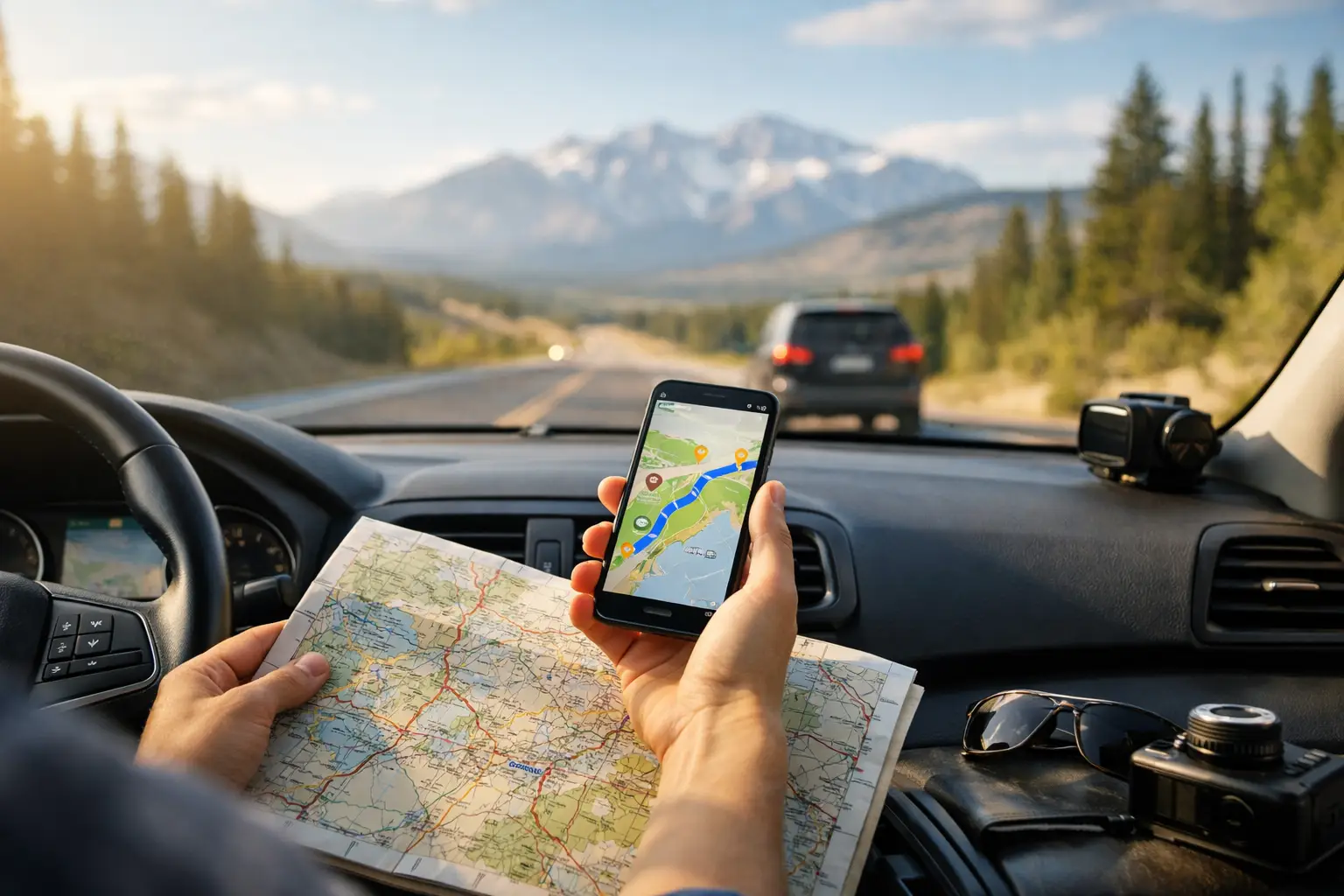
Most road trips don’t fall apart because of the drive. They fall apart because the planning lives in six different places. The route is in one app, the fuel spend is in a notes file, bookings are buried in emails, and the service history is scribbled in a glovebox notebook. A good road trip planner app fixes that mess before it becomes expensive, stressful, or both.
If you travel by car, campervan, caravan, 4WD or overlanding rig, planning is not just about getting from A to B. You need to know where you’re stopping, what the trip is costing, when the vehicle needs attention, and who in your group has booked what. That is where many trip apps fall short. They help you draw a route, but they leave the operational side of travel to spreadsheets, screenshots and memory.
What a road trip planner app should actually do
A lot of apps call themselves trip planners when they are really just map tools with a prettier interface. For a casual weekend away, that might be enough. For longer travel, multi-stop journeys, caravanning, van life or cross-country trips, it usually isn’t.
A road trip planner app worth using should connect five things in one system: route planning, budget tracking, expense logging, booking management and vehicle records. When those pieces talk to each other, you get a proper travel dashboard rather than a pile of disconnected tools.
That matters in real-world situations. If fuel prices spike halfway through the trip, you should be able to see how that affects your budget. If you add an overnight stop, that should sit alongside your accommodation details and expected spend. If your next service is due in 800 kilometres, that should be visible while you’re planning the next leg, not discovered after the warning light comes on.
Want to track your own trip costs without spreadsheets? Create a free Trip Tracka account and start tracking fuel, food, accommodation, maintenance, create budgets and trip expenses in one place.
Start Tracking Free
Why map-only apps stop being useful
Map apps are excellent at navigation. That is not the same as trip management. The difference becomes obvious the moment your journey gets longer, your vehicle setup gets more complex, or you start sharing the trip with a partner, family or convoy.
A map-only app can tell you the route. It usually can’t tell you how much that route is costing per kilometre, whether your tyre replacement should be factored into the trip budget, or how your accommodation spend compares with what you planned. It also can’t serve as a reliable record of the trip once it’s over.
For travellers who care about control, that gap is frustrating. You end up exporting data, typing notes twice, or trying to reconstruct spending later from bank statements. That approach is fine until you need answers quickly. How much have we spent on fuel so far? Are we still inside the weekly budget? When was the last oil change? Which stopover had the best reviews from the group? These are practical questions, not edge cases.
The best road trip planner app is built for logistics, not just inspiration
Travel content often focuses on the fun bits - scenic routes, hidden camps, bucket-list stops. That matters, but logistics are what keep a trip moving. The best road trip planner app is the one that helps you make decisions with real numbers, real records and current trip data.
For example, a retired couple towing a caravan around Australia has a different planning load from a city-break traveller. They need to watch fuel economy, monitor service intervals, track campsite costs, and compare planned versus actual spend over months, not days. A family in a campervan may need bookings, food spend and vehicle maintenance in one view because one delay affects everything else. A pair of mates heading off-road in separate vehicles need shared planning, trip chat and equipment tracking so nothing critical gets left behind.
The common thread is simple: once road travel becomes operationally heavy, generic apps start to feel thin.
Features that make a real difference on the road
The most useful trip planning tools are not the ones with the flashiest design. They are the ones that reduce admin while you travel. That usually comes down to a few specific capabilities.
Integrated budgeting matters because road trips drift in cost faster than most people expect. Fuel, food, paid sites, repairs, ferry fees, park passes and supplies can all chip away at the budget. If you can only see those numbers after the trip, you can’t make better choices during it.
Expense tracking matters because memory is unreliable, especially over a long route. Logging fuel, meals, accommodation and maintenance as they happen gives you a cleaner picture of the trip and a much stronger history for future planning.
Vehicle record management matters because road travellers do not just manage destinations. They manage machines. Service intervals, parts replacements, repairs and fuel economy all affect reliability and cost. A planner that ignores the vehicle is missing half the job.
Shared trip collaboration matters because group travel breaks down when information is split across text threads and screenshots. If everyone can see stops, bookings, notes and updates in one place, you spend less time repeating yourself and less time chasing details.
One dashboard changes how you travel
This is where an all-in-one platform earns its keep. Instead of opening one app for maps, another for costs, another for bookings, and another for maintenance notes, you work from one dashboard that reflects how road travel actually happens.
That means you can plan a route, assign a rough budget, add expected accommodation, log fuel as you drive, and keep an eye on service history without switching systems. It is not just tidier. It gives you better decisions because the context is complete.
Say you are halfway through a six-week lap and your fuel costs are running 18 per cent above plan. In a disconnected setup, you might not spot that until later. In an integrated setup, you can adjust now - shorter driving days, cheaper stopovers, fewer detours, or a review of load weight and driving style if fuel economy has dropped.
That is the difference between tracking a trip and managing one.
Who gets the most value from a road trip planner app
Not every traveller needs the same depth. If you are doing a one-night drive with no bookings and no budget pressure, a basic maps app may be enough. But the value rises quickly when the trip gets longer or the variables increase.
Full-time travellers need records they can trust across months or years. Grey nomads often want visibility over spend, service schedules and accommodation patterns. Campers and caravanners benefit from seeing route plans alongside bookings and running costs. Overlanders and 4WD travellers need a stronger handle on maintenance, spare parts and vehicle readiness. Multi-vehicle groups need shared information without the chaos of scattered chats and duplicate notes.
If any part of your travel setup currently relies on “I think I wrote that down somewhere”, you are the audience for a better system.
Want to replace scattered notes, budget spreadsheets and booking screenshots with one structured travel dashboard? Create a free Trip Tracka account and start tracking fuel, food, accommodation, maintenance, create budgets and trip expenses in one place.
Start Tracking Free
How to choose the right app without overbuying
The best choice depends on how you travel. Start by looking at your current pain points, not just feature lists. If your biggest issue is route plotting, a simple planner may do the job. If your biggest issues are cost control, maintenance records and group coordination, look for a tool built around operations rather than sightseeing.
It is also worth checking whether the app helps during the trip, not just before it. Plenty of tools are useful at the planning stage but weak once you are moving. Road travel is dynamic. Plans shift, costs change, vehicles need attention and weather interferes. The right app should still be useful on day 12, not just day 1.
Finally, think about travel history. A strong planner does not just support the current journey. It helps you build better future ones. Past fuel use, actual spend, common maintenance intervals and favourite stop types all become valuable when they are stored properly instead of lost in old receipts and half-finished spreadsheets.
For serious road travellers, that is the real upgrade. A road trip planner app should not just help you dream up the route. It should help you run the trip with fewer surprises, clearer numbers and a lot less admin.