
How to Log Vehicle Maintenance Properly
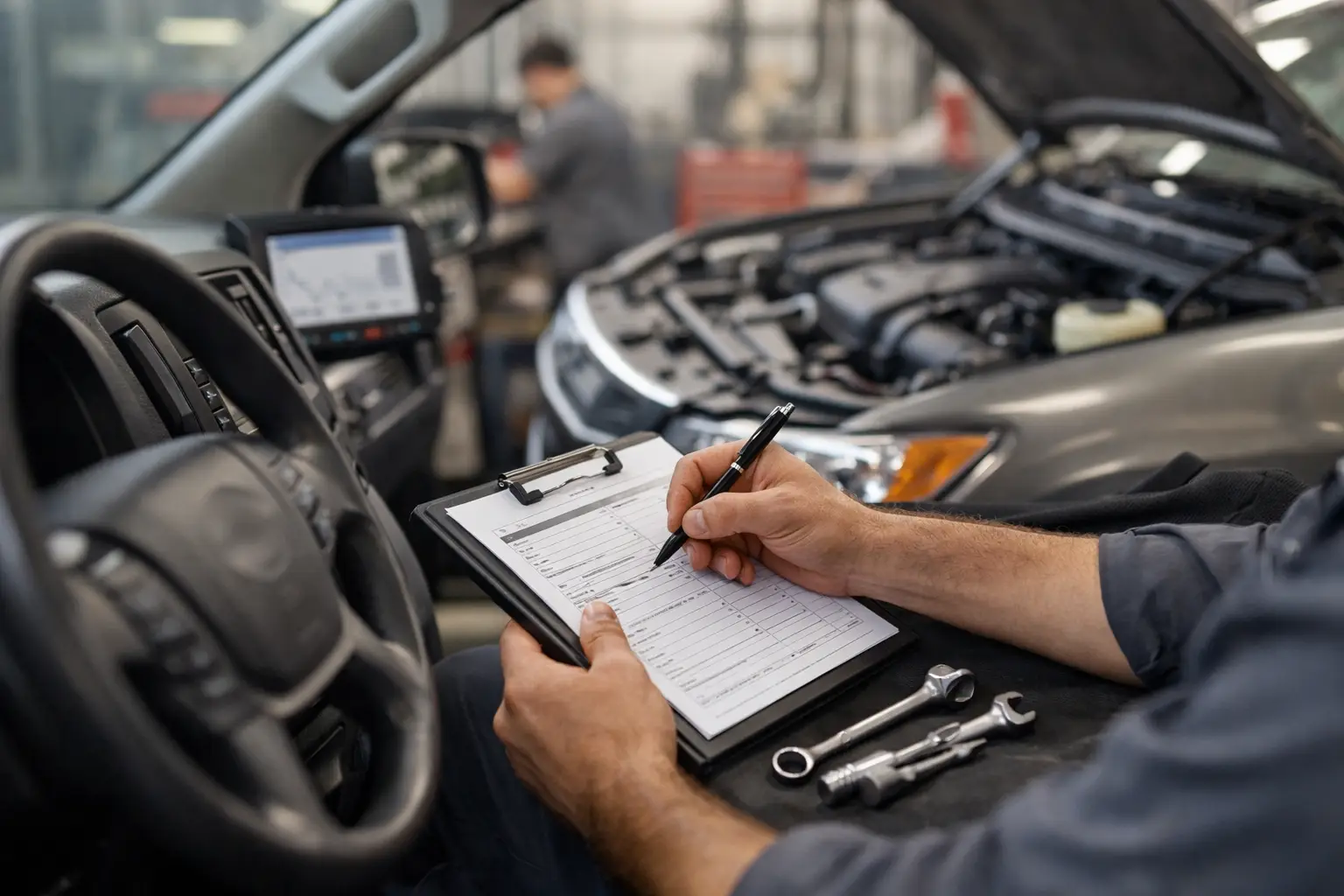
Missed a service by 4,000 km before a long trip? That is usually when people realise their maintenance records are scattered across glovebox receipts, notes apps and half-remembered workshop visits.
> Quick answer: If you want to know how to log vehicle maintenance, record every job with the date, odometer reading, work completed, parts used, cost, and next due interval. Keep it all in one place so you can see service history, upcoming maintenance, and the real running cost of your vehicle before your next trip.
If you are figuring out how to log vehicle maintenance for road trips, full-time travel or everyday driving, the goal is not paperwork for its own sake. It is control. A clean maintenance log helps you plan servicing around trips, spot patterns before they become breakdowns, and prove the vehicle has been looked after if you ever sell it.
Why a proper maintenance log matters
For travellers, vehicle maintenance is not separate from trip planning. It affects fuel economy, reliability, budget blowouts and whether a simple weekend away turns into an expensive recovery job on the side of the road.
A good log answers the questions that matter quickly. When were the brake pads last replaced? How many kilometres since the last oil change? What brand and part number was used for the fuel filter? Did that coolant leak get fixed properly or just topped up twice before the workshop visit?
It also gives context that a stamp in a service book cannot. If you tow a caravan, run long corrugated roads, or spend months covering regional routes, your servicing pattern may need to be tighter than the handbook suggests. Logging maintenance properly helps you build a record based on how the vehicle is actually used, not just the standard interval printed in a manual.
How to log vehicle maintenance without making it a chore
The best system is the one you will actually keep using. For most travellers, that means one central record instead of a mix of paper invoices, spreadsheets and memory.
Each time work is done, log the essentials straight away. At minimum, include the date, odometer reading, what was done, who did the work, how much it cost and when it is due again. If you replaced parts, note the brand, part number and any warranty details. If the job was related to a fault, record the symptoms too. That small detail can save time later if the same issue comes back.
You do not need to write an essay for every service. A short, structured entry is enough. For example: 12 March 2026, 148,220 km, engine oil and filter changed, air filter replaced, tyres rotated, workshop inspection noted front pads at 30 per cent, total cost $365, next oil service due at 158,220 km.
That sort of record is useful because it tells you what happened, when it happened and what needs attention next.
What every maintenance entry should include
If you are serious about learning how to log vehicle maintenance properly, consistency matters more than complexity. Every entry should cover the same core fields so your history is easy to scan.
Date and odometer reading
These are the anchors of the whole record. Some items are time-based, others are kilometre-based. You need both to track service intervals properly.
Work completed
Be specific. Write "replaced rear brake pads and machined rotors" instead of just "brakes". The extra detail matters later.
Parts, fluids and quantities
Record oil grade, filter type, coolant spec, tyre size, battery model or any other relevant details. This is especially useful when travelling remotely and needing replacements.
Cost
Log parts and labour together or separately. Either works, as long as you stay consistent. This is what helps you calculate real running costs over time.
Next due date or kilometre interval
Every maintenance entry should point to the next action. Without that, a log is only history, not a planning tool.
Notes
Add anything unusual, such as a noise under load, uneven tyre wear, a workshop recommendation, or a job deferred until after the trip.
Want to track your own trip costs without spreadsheets? Create a free Trip Tracka account and start tracking fuel, food, accommodation, maintenance, create budgets and trip expenses in one place.
Paper logbook, spreadsheet or app?
This is where it depends on how you travel.
A paper logbook is simple and reliable, but it is easy to lose and hard to analyse. It works well if you mostly stay local and just want a basic record in the glovebox.
A spreadsheet gives you more control. You can sort by date, filter by category and total your costs. The downside is upkeep. Most people start strong, then forget to update it after the second or third service, especially on the road.
An app-based system is usually the most practical option for travellers because it keeps records available on your mobile and ties maintenance to the wider picture - trip budgets, fuel usage, route planning and operating costs. That matters when the vehicle is not just transport, but the backbone of the trip.
The trade-off is that digital systems only help if the information is entered consistently. The tool does not fix a sloppy process. Your habit does.
A simple workflow that works on the road
The easiest way to stay on top of maintenance logs is to treat them like fuel entries or camp bookings. Log them as soon as they happen.
After every service, inspection or repair, add the entry before you drive away or as soon as you are parked. Upload or store the invoice details while they are still in front of you. If a workshop mentions upcoming work, add that as a note immediately rather than trusting memory.
For DIY jobs, record them the same way you would a workshop visit. Many owner-done jobs matter just as much as paid servicing - oil changes, air filter swaps, wheel bearing repacks, battery replacements, suspension checks or tyre repairs. If you did the work, it still belongs in the log.
Then review the log before any major trip. Not just when something goes wrong. A quick scan should tell you whether the next service will land mid-journey, whether the tyres are nearing replacement, or whether that minor coolant issue needs attention before you head remote.
How maintenance logs save money, not just admin time
A lot of people think logging maintenance is about being tidy. It is really about seeing cost patterns early.
When every service and repair is recorded, you can spot whether routine costs are stable or starting to climb. You can see if one tyre is wearing faster than the others, if a recurring electrical fault is chewing through workshop visits, or if fuel economy dropped after a missed service interval.
That matters even more for long-term travellers. If you are budgeting by trip, month or kilometre, maintenance cannot sit in a blind spot. It needs to be visible alongside fuel, accommodation and other travel spend. Once you log costs properly, the vehicle becomes easier to plan around and less likely to surprise you.
Common mistakes when logging vehicle maintenance
The biggest mistake is logging only major services. Small jobs count too. Wiper blades, batteries, puncture repairs, wheel alignments and fluid top-ups all add to the ownership picture.
The next mistake is being vague. "Service done" tells you almost nothing six months later. If your record cannot explain the job clearly, it is not doing enough.
Another common issue is forgetting the next due point. People record what happened, then fail to log what comes next. That is how maintenance gets reactive instead of planned.
Finally, many travellers separate maintenance from travel budgeting. That makes it harder to understand what the trip really costs. If your vehicle is central to how you travel, servicing and repairs belong in the same operational view as fuel, bookings and route planning.
How to log vehicle maintenance for resale and trip planning
A complete log does two jobs at once. It protects the next trip and strengthens the vehicle's history if you ever move it on.
Buyers trust records they can follow. A clean timeline with dates, kilometre readings, invoices and detailed entries shows the vehicle was looked after properly. That can support value and reduce the back-and-forth that happens when service history is patchy.
For trip planning, the same record helps you time maintenance around the route. If your next major service is due halfway through a cross-country run, you can sort it before departure rather than scrambling for workshop availability in an unfamiliar town.
Want to track your own trip costs without spreadsheets? Create a free Trip Tracka account and start tracking fuel, food, accommodation, maintenance, create budgets and trip expenses in one place.
The best maintenance log is the one you can trust
If your records are split between receipts in the console, photos on your mobile and notes in your head, you do not really have a system. You have fragments. A proper maintenance log brings those fragments into one reliable history you can use before a trip, during a repair, or when costs start creeping up.
For travellers, that clarity matters. The more kilometres you cover, the more valuable one clean record becomes. Keep it current, keep it specific, and let it support the kind of travel that runs on preparation as much as it does on adventure.
By Craig Watts, founder of Trip Tracka Built by travellers, for travellers - Trip Tracka helps you plan better trips, track costs, organise gear, save stops and keep your travel records in one place.
Built while travelling full-time to help travellers plan trips, track expenses, manage budgets, record fuel, store gear details and keep travel records without spreadsheets.