
How Much Does Overlanding Cost?
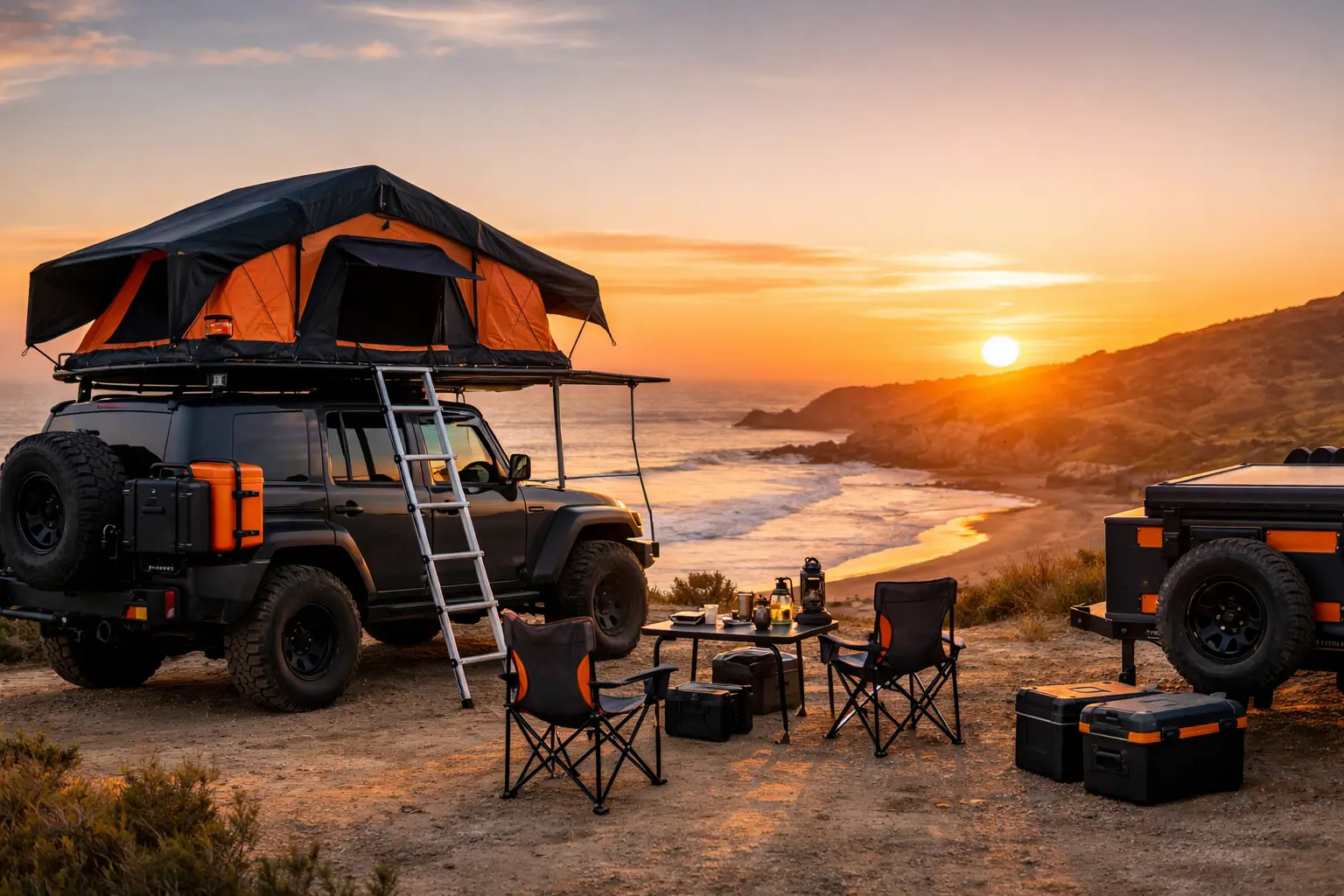
> Quick answer: How much does overlanding cost? For most travellers, a short local overlanding trip can cost $300 to $1,500, while bigger multi-week or full-time setups can run from a few thousand dollars to well beyond $50,000 depending on your rig, fuel use, gear, repairs and how you travel. > > A weekend away in the High Country can feel cheap right up until you add fuel, campsite fees, recovery gear, tyres and the service your 4WD suddenly needs the week before departure. That is usually the moment people ask the real question - how much does overlanding cost once you count everything, not just the fun bits. > > The honest answer is that overlanding can be surprisingly affordable or very expensive. It depends less on the label and more on your setup, distance, driving style and how much comfort you expect from your camp. If you already own a reliable vehicle and travel simply, costs stay manageable. If you are building a dedicated rig and covering long distances in remote country, the numbers climb fast. > > ## How much does overlanding cost in real terms? > > For most people, overlanding costs fall into two buckets. First, there is the upfront cost to get ready. Second, there is the ongoing cost to keep travelling. > > If you already have a capable vehicle, your startup spend might be modest. A basic touring setup with camping gear, storage, a fridge, recovery kit and a few maintenance items could land anywhere from $1,500 to $8,000. If you are starting from scratch with a purpose-built 4WD, canopy, suspension, comms, drawers, rooftop tent, battery system and accessories, it can easily stretch from $15,000 to $50,000 plus. > > Then come the running costs. A single overlanding trip might include fuel, food, accommodation or camp fees, park permits, maintenance, repairs, insurance and consumables. For a one to two week trip in Australia, many travellers spend somewhere between $1,000 and $3,500 for two people, but that can shift sharply based on distance and vehicle type. > > ## The biggest costs most travellers underestimate > > Fuel is often the headline expense, especially in Australia where distances are big and remote servos are not cheap. A diesel 4WD loaded with gear, water and camping equipment can use far more than its everyday average. Add sand, corrugations, low-range work and headwinds, and your fuel budget can blow out quickly. > > Maintenance is the second sleeper cost. Overlanding puts your vehicle under more stress than normal commuting. Tyres wear faster. Suspension works harder. Filters, fluids and brakes matter more. Even if nothing breaks, proper servicing before and after a trip is part of the true cost. > > Then there is gear creep. Plenty of travellers start with the basics and slowly add more kit - awnings, solar, lithium batteries, better lighting, recovery boards, compressors, comms, storage systems and cooking upgrades. None of it looks outrageous one item at a time, but together it can rival the cost of the trip itself. > > ## Upfront setup costs for overlanding > > The answer to how much does overlanding cost changes dramatically based on whether you are upgrading an existing vehicle or building a dedicated tourer. > > A basic setup might mean a swag or tent, camp chairs, a cooker, storage tubs, a first aid kit, a recovery strap, tyre deflator, compressor and a portable battery. That can be enough for many weekend and regional trips, particularly if you are staying on established tracks and using caravan parks or simple campgrounds some nights. > > A more advanced setup often includes all-terrain tyres, suspension upgrades, underbody protection, dual battery or solar, a fridge, water storage, drawer systems, rooftop tent, UHF, navigation gear and spare parts. These additions improve comfort and capability, but they also increase weight, fuel burn and maintenance requirements. > > There is no prize for buying everything upfront. Some of the most cost-effective overlanding setups are built slowly, based on actual trip needs rather than social media shopping lists. > > Want to track your own trip costs without spreadsheets? Create a free Trip Tracka account and start tracking fuel, food, accommodation, maintenance, create budgets and trip expenses in one place. Start Tracking Free: https://triptracka.com > > ## Ongoing trip costs that shape your budget > > ### Fuel > > Fuel is usually the largest variable cost. A shorter trip close to home might only need a few hundred dollars. A remote crossing or long lap can mean thousands. The more weight you carry and the rougher the terrain, the more fuel you will burn. > > ### Food and water > > Food costs depend on whether you cook most meals or rely on pubs, roadhouses and takeaway. Cooking at camp is usually cheaper, but remote groceries can still cost more than expected. Water can also become a cost if you need to top up in paid locations or carry filtration gear. > > ### Camping and accommodation > > Overlanding does not always mean free camping. National park fees, station stays, caravan parks and the occasional motel all add up. Some travellers keep this category low with mostly bush camps, while others mix comfort stops into longer runs. > > ### Maintenance and repairs > > This is where realistic budgeting matters. Even if your vehicle is well prepared, set aside money for punctures, replacement parts, workshop labour or emergency fixes. Remote travel has a way of exposing weak points. > > ### Insurance, registration and admin > > These are not trip-only expenses, but they are still part of what overlanding costs over a year. Comprehensive insurance, roadside cover, registration and permit fees belong in the total picture, especially for regular travellers. > > ## Cheap overlanding versus comfortable overlanding > > A lot of confusion around cost comes from people comparing completely different travel styles. One person is sleeping in a swag, cooking on a single burner and staying out for five days on a tight fuel loop. Another is running a fully built wagon with premium camping gear, paid sites, satellite comms and frequent long-haul drives. > > Both are overlanding. One just costs a lot less. > > If your priority is seeing more places for less money, you can keep costs down by travelling shorter distances, limiting heavy accessories, cooking your own meals and avoiding unnecessary gear upgrades. If your priority is comfort, self-sufficiency and remote capability, expect higher upfront and running costs. > > ## Sample overlanding budgets > > A basic weekend trip for one or two people in an existing vehicle might cost $300 to $800 all up. That could include fuel, food, campground fees and a small allowance for wear and tear. > > A one to two week trip in a touring 4WD is more likely to sit around $1,500 to $3,500, particularly if you are covering larger distances and carrying extra gear. Add paid accommodation, remote fuel pricing or a mechanical issue, and that number rises quickly. > > For long-term or full-time overlanding, yearly costs can vary wildly. Some travellers manage on lean budgets by moving slowly and camping simply. Others spend the equivalent of a full annual salary once fuel, maintenance, vehicle finance, insurance and equipment upgrades are factored in. > > ## How to keep overlanding costs under control > > The best way to control spending is to track it by category, not by guesswork. Fuel, maintenance, food, camping and gear should each have their own budget. Once you can see cost per trip and cost per kilometre, patterns become obvious. > > It also helps to plan from your actual travel style. If most of your trips are two to four nights, you may not need the same build or equipment as someone crossing the Simpson or living on the road for months. Buying for your use case instead of an idealised future trip is one of the easiest ways to avoid overspending. > > Vehicle condition matters too. Preventative maintenance is almost always cheaper than remote repairs, missed bookings or a recovery bill. Good records make this easier, especially when you are juggling servicing intervals, spare parts and trip prep. > > Want to track your own trip costs without spreadsheets? Create a free Trip Tracka account and start tracking fuel, food, accommodation, maintenance, create budgets and trip expenses in one place. Start Tracking Free: https://triptracka.com > > ## So, how much does overlanding cost for you? > > The practical answer is this: overlanding costs as much as your vehicle, route and habits demand. It can be a low-cost way to travel if you already have the basics and keep things simple. It can also become a major financial commitment if you chase big builds, long distances and premium gear. > > The useful question is not just how much does overlanding cost in general. It is how much will your version of overlanding cost once you include setup, fuel, maintenance, accommodation and the hidden expenses that show up between trips. When you know those numbers, better decisions get a lot easier. > > If you are planning your next run, start with the boring numbers first. They are usually what makes the fun possible. > > By Craig Watts, founder of Trip Tracka > Built by travellers, for travellers - Trip Tracka helps you plan better trips, track costs, organise gear, save stops and keep your travel records in one place. > > Built while travelling full-time to help travellers plan trips, track expenses, manage budgets, record fuel, store gear details and keep travel records without spreadsheets.