
Caravan Route Planner for Smarter Road Trips
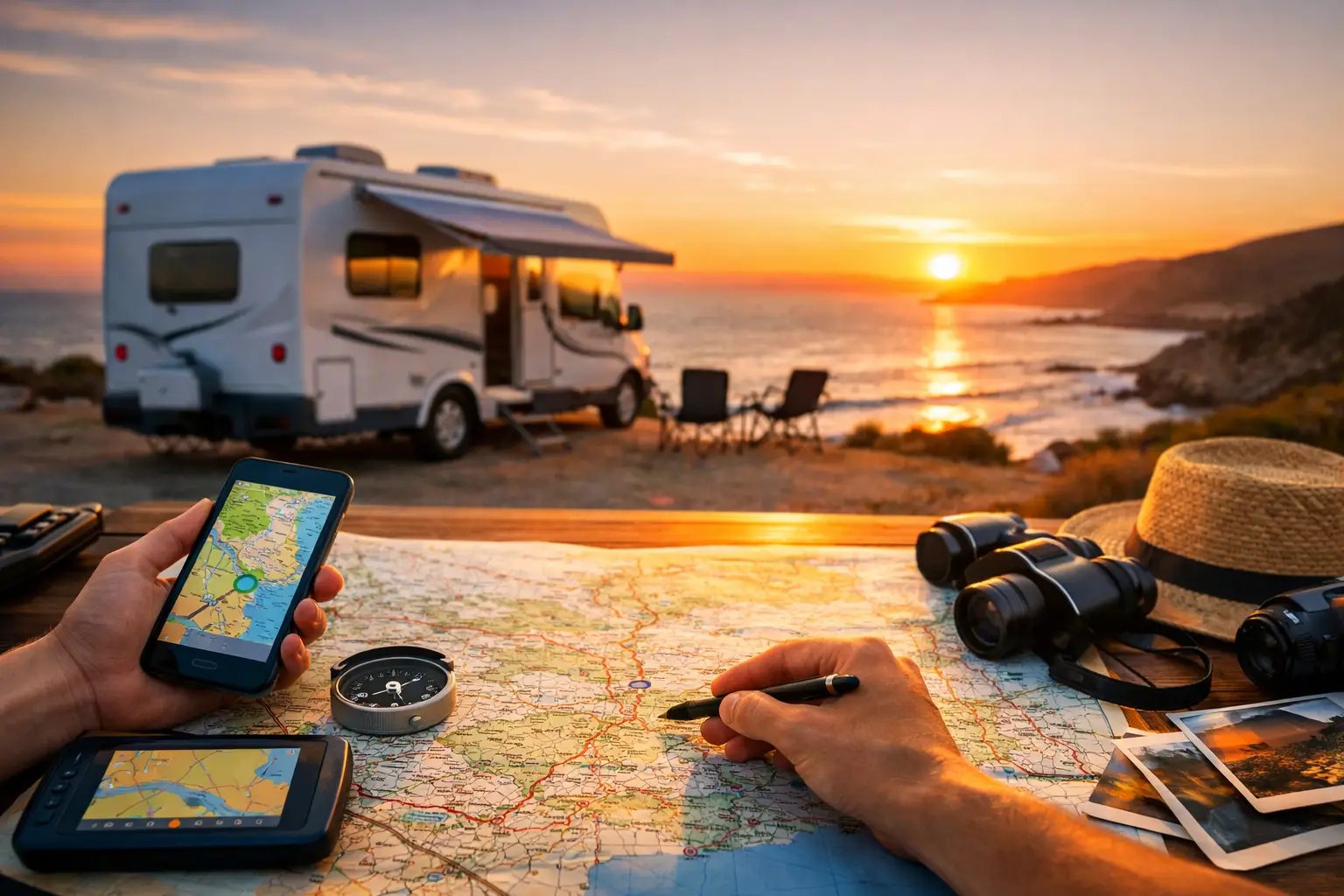
> Quick answer: A caravan route planner is more than a map that gets you from A to B. It helps you build a route around caravan-safe roads, sensible daily distances, overnight stays, fuel use, trip costs and vehicle requirements. The best plan keeps your itinerary flexible while giving you a clear view of where you are going, what it will cost and what your rig needs before departure. > > A missed low bridge, a 400-kilometre driving day into a headwind, or a booked-out caravan park can turn a simple route into a long day behind the wheel. A proper caravan route planner accounts for the realities that standard navigation often misses: the size of your van, towing speed, fuel range, rest days, servicing dates and the fact that the best campsite is not always at the end of the fastest road. > > For a weekend away, that may mean choosing one reliable overnight stop instead of trying to squeeze in three attractions. For a lap of Australia, it means building a route that works financially and mechanically as well as geographically. > > ## Start with the trip your caravan can actually handle > > The right route is not necessarily the shortest line on the map. It is the route that suits your tow vehicle, caravan, confidence level and travel style. A couple towing a 22-foot van on sealed highways can cover ground very differently from a family with kids, a motorhome travelling with pets, or an off-grid van heading into the Kimberley. > > Set a realistic daily driving limit before adding every must-see stop. Many caravanners find that 250 to 350 kilometres is a comfortable touring day, but it depends on road conditions, towing weight, weather, traffic and how often you want to stop. On rough, narrow or unfamiliar roads, a shorter day can be the smarter call. > > Build in arrival time too. Reaching camp before late afternoon gives you time to level the van, set up, check the site, walk the dog or simply put the kettle on. Planning to arrive after dark may look efficient on an itinerary, but it is rarely relaxing when you are manoeuvring a caravan into an unfamiliar site. > > ### Check road suitability, not just travel time > > Navigation apps are useful, but a caravan route needs an extra layer of checking. Look beyond the estimated arrival time and consider low clearances, weight limits, tight town turns, steep grades, roadworks, flood-prone sections and unsealed roads. > > A road may be legally open yet still be a poor choice after rain or for a long van. Likewise, a scenic detour might be perfect in dry conditions but unsuitable when you are towing near your vehicle’s limits. Confirm conditions with current local information before committing, especially in remote areas where a detour can add hours and chew through fuel. > > Your planner should also note fuel stops that suit a caravan. A servo may be on the route, but its forecourt can be awkward to enter, turn around in or leave with a van attached. Mark practical refuelling points at sensible intervals rather than waiting until the low-fuel light becomes part of the adventure. > > ## Plan overnight stops around the route > > Accommodation should shape the route early, not become a last-minute problem at 4 pm. Caravan parks, campgrounds, free camps and station stays all offer different trade-offs around price, facilities, booking certainty and location. > > On busy school holiday routes, booking key stops can remove a lot of pressure. In quieter periods, leaving gaps between fixed bookings gives you room to stay longer where you enjoy yourself or move on when the weather turns. The practical middle ground is often to lock in high-demand locations and keep the travel days between them flexible. > > Record the details you will need when you arrive: booking reference, check-in window, site type, access notes, dump point availability, power requirements and contact number. Keeping those notes beside the day’s route stops the usual hunt through emails, screenshots and messages at the park gate. > > > Want to track your own trip costs without spreadsheets? Create a free Trip Tracka account and start tracking fuel, food, accommodation, maintenance, budgets and trip expenses in one place. > > > > Start Tracking Free > > ## A caravan route planner needs a budget attached > > Fuel is usually one of the largest variable costs of caravan travel, and towing changes the maths quickly. Your solo fuel economy is not a useful guide once the caravan is hooked up. Weight, tyre pressures, wind, terrain, speed and load all affect litres per 100 kilometres. > > Use your actual towing fuel figure where possible. If you do not have one yet, start with a conservative estimate and update it after the first few fill-ups. Planning fuel by distance and range lets you estimate both the trip total and the points where you need to refuel. > > Then add the costs that maps do not show: campsites, groceries, eating out, attractions, laundry, tolls, gas refills, permits, repairs and the occasional replacement part. A route that appears cheaper because it avoids a caravan park can cost more if it creates a long backtrack for water, supplies or fuel. > > ### Track cost per kilometre for clearer decisions > > Cost per kilometre is a useful number for longer trips. It shows what the journey is costing across fuel, maintenance and other vehicle expenses, rather than treating each purchase as an isolated hit to the card. It can help you compare two route options, decide whether an extra detour is worthwhile, or set a more realistic weekly spend target. > > This does not mean every stop needs to be judged only by cost. A paid site near a national park, a day off driving, or a detour to see family may be exactly the right choice. The point is to make those decisions with the numbers visible, rather than discovering the total after you get home. > > ## Put vehicle readiness into the route plan > > Your caravan and tow vehicle are part of the itinerary. A route planner that ignores maintenance is only doing half the job. Before departure, check service intervals, tyre condition and pressures, wheel bearings, brakes, lights, breakaway system, battery condition, gas fittings and recovery gear. > > For extended travel, schedule likely maintenance around towns where you can get work done. Note upcoming service kilometres, spare parts carried, warranty details and any recurring issues. If the route includes corrugations or remote distances, allow for extra inspections and carry the tools and spares you are confident using. > > Keep weight in view as well. A loaded caravan behaves differently from an empty one, and overloading can affect safety, handling and compliance. Confirm your weights before a major trip, then distribute gear carefully. Heavy items low and close to the axle generally make more sense than filling the rear bar with every accessory available. > > ## Build flexibility into every driving week > > The most useful caravan plans leave room for the things that cannot be scheduled: rain, mechanical issues, a great campfire conversation, a track closure or a place that deserves another two nights. Add buffer days instead of making every date non-negotiable. > > A simple approach is to plan in short sections. Map the next few days in detail, understand the broader route for the next week or two, and keep later stops adjustable. This gives you structure without turning a road trip into a race against your own calendar. > > When travelling with a partner, family or a convoy, centralise the current plan. Everyone should be able to see the next stop, the meeting point, the booking details and the budget position. That avoids duplicated messages and makes changes easier when someone needs fuel, supplies or a slower day. > > ## What to keep in one caravan route plan > > A workable plan brings route, money and vehicle records together. At a minimum, keep the following information current: > > - Daily route, distances, driving times and planned fuel stops. > - Overnight stays, booking details, check-in notes and site requirements. > - Fuel fills, towing economy, trip budget and actual spending by category. > - Service dates, maintenance tasks, spare parts and vehicle documents. > - Shared notes for attractions, supplies, road conditions and changes to the plan. > > Trip Tracka brings these moving parts into one travel dashboard, so your route stops, expenses, fuel records, bookings and vehicle history are not scattered across separate apps and notebooks. That matters most once the trip becomes longer than a simple overnight run. > > ## Make the route serve the journey > > A good caravan route planner gives you control without pretending the road will always follow the plan. Check the next leg, know your fuel margin, book what needs booking and keep enough time in reserve to deal with real travel conditions. > > > Ready to replace scattered map pins, paper fuel notes and spreadsheet budgets? Set up your trip, record each stop and keep costs and vehicle tasks visible from departure to home. > > > > Start Tracking Free > > The best caravan trips are rarely remembered for the quickest arrival time. They are remembered for the unplanned lookout, the easy camp setup, the road you felt prepared to take and the freedom to stay another day when the place feels right. > > By Craig Watts, founder of Trip Tracka > Built by travellers, for travellers - Trip Tracka helps you plan better trips, track costs, organise gear, save stops and keep your travel records in one place. > > Built while travelling full-time to help travellers plan trips, track expenses, manage budgets, record fuel, store gear details and keep travel records without spreadsheets.