Travel Expense Tracker for Smarter Road Trips
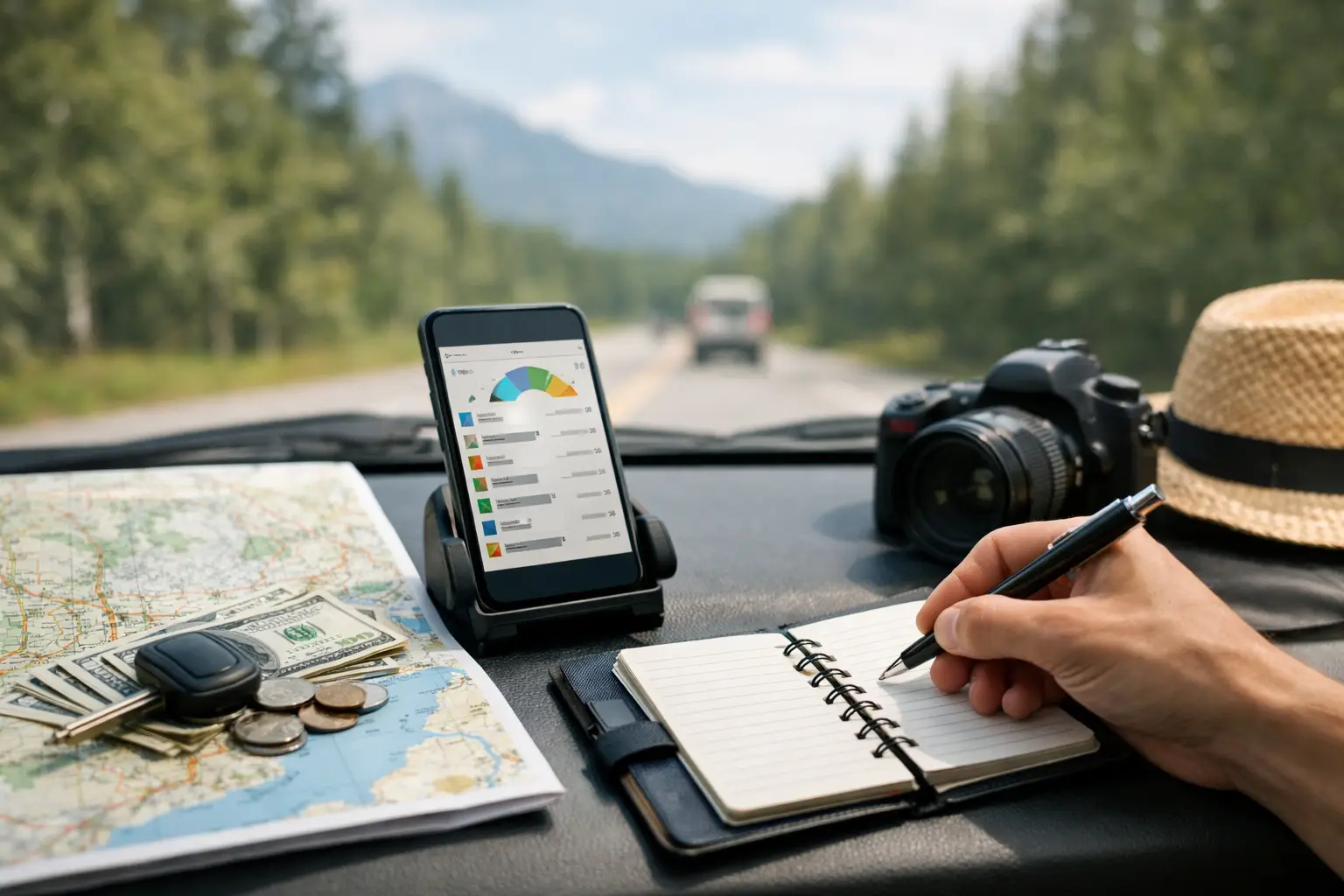
A road trip budget rarely falls apart because of one big mistake. It usually slips through a dozen small ones - the extra fuel stop, the campground fee paid in cash, the meal someone forgot to log, the toll charge that hits three days later. A good travel expense tracker fixes that before the numbers get messy. It gives you a live view of what the trip is costing, who paid for what, and where your money is actually going.
For road travelers, that matters more than it does on a simple weekend flight-and-hotel booking. When you are moving between towns, campsites, fuel stations, grocery runs, maintenance stops, and shared bookings, expenses are constant and irregular. The old method - bank app here, notes app there, spreadsheet later - creates gaps. And gaps turn into overspending, awkward group settlements, and zero clarity on what the trip really cost.
Why a travel expense tracker matters on the road
Road travel is full of variable costs. Fuel changes by region. Campsites and motels can swing wildly by season. Vehicle-related spending never arrives on a neat schedule. Even a well-planned route can shift because of weather, road closures, or a better stop you found along the way.
That is why a travel expense tracker is not just a bookkeeping tool. It is part of trip control. When you can see costs as they happen, you make better calls in real time. Maybe you skip an expensive overnight stop because fuel ran high that day. Maybe your group chooses groceries over another restaurant meal because shared spending is already ahead of plan. Maybe you spot that one vehicle is becoming unusually expensive before it turns into a bigger mechanical problem.
There is also a psychological benefit. Travelers who track expenses consistently tend to feel more in control, even on long or flexible trips. You do not need to guess whether you are still on budget. You know.
What a road trip expense tracker should actually track
Generic budgeting apps often miss what makes travel spending different. A road trip has moving parts that regular personal finance tools were never built around. If the tracker is useful, it should capture not just categories, but context.
Start with the obvious costs: fuel, accommodations, food, tolls, parking, and activities. Those are the daily spend items that shape the pace of the trip. But road travelers also need room for vehicle maintenance, emergency repairs, gear purchases, border fees, permits, ferry tickets, and booking deposits. If you travel with others, shared vs. personal expenses should be easy to separate without turning every dinner into an accounting session.
Timing matters too. Some charges happen instantly, while others land later. A toll notice, card hold, or delayed booking fee can distort your picture if your tracker only reflects what you remember in the moment. The more complete the record, the better your decisions.
The strongest setup also ties expenses to the trip itself. Not just a list of transactions, but spending attached to a route, a stop, a day, or a vehicle. That makes the data useful later. You are not only tracking the current journey. You are building a record that helps you budget the next one better.
The biggest mistakes travelers make
Most expense problems on the road are process problems. People do not overspend because they are careless. They overspend because the system is too fragmented to keep up with real travel.
The first mistake is waiting until the end of the day. That sounds reasonable, but road days get long. Plans change. Receipts disappear. Small cash payments are forgotten. By the time you catch up, the record is already incomplete.
The second is splitting tools by task. One app for maps, one for notes, one for expenses, one for maintenance, one group chat for who owes what. That setup works for a short city break. It starts breaking down on a multi-stop drive, especially when several people are involved.
The third is treating all spending as the same. Fuel for one vehicle is not the same as groceries for the group. A personal coffee stop should not complicate shared cost math. If the tracker does not reflect how travel spending actually works, people stop using it consistently.
And then there is the silent budget killer: vehicle costs that are not technically part of the route plan but absolutely part of the trip. Tire inflation, oil top-offs, a replacement wiper blade, a sudden battery issue - these do not look dramatic alone, but together they change the cost of travel fast.
How to use a travel expense tracker without slowing down the trip
The best system is the one you will still use on day eight, not just day one. That means it needs to be quick.
Log expenses at the point of payment whenever possible. It takes less effort to capture a fuel fill-up immediately than to reconstruct it later from memory and bank notifications. For group travel, assign expenses clearly at the time they happen. If one person pays for a campsite and another covers groceries, record both before the next stop.
Keep categories practical. Too many labels create friction. Too few make the data useless. For most road trips, fuel, stays, food, activities, vehicle, and misc are enough to spot patterns without overcomplicating the workflow.
Set a daily rhythm. Not a long admin session, just a quick evening check. Confirm what was logged, add missing cash purchases, and scan for anything unusual. That short habit keeps the budget accurate and prevents the end-of-trip mess nobody wants to untangle.
For longer journeys, compare your actual spend to your original trip assumptions once or twice a week. Not every day. Daily swings are normal on the road. Weekly review gives you enough data to adjust the route, pace, or spending style without reacting to every fluctuation.
Travel expense tracker for solo vs. group trips
Solo travelers need visibility. Group travelers need visibility plus accountability.
If you travel alone, the value is speed and awareness. You can see whether your route is getting more expensive by region, whether eating out is costing more than expected, and whether your vehicle is still operating within the budget you planned. That is especially useful for digital nomads, RV travelers, and long-haul overlanders who need a realistic monthly travel cost, not just a rough estimate.
For groups, the challenge shifts. Cost tracking becomes coordination. Who paid? Was it shared equally? Was it personal? Did someone cover a booking deposit that needs to be split later? Without a clean system, group travel can get awkward fast, even when everybody gets along.
A shared tracker removes guesswork. It gives everyone the same picture and reduces the need for side calculations in chat threads. That matters on friend trips, family road adventures, and any plan where multiple travelers are handling bookings, food runs, and route changes along the way.
Why all-in-one beats patchwork tools
There is a reason many travelers start with spreadsheets and eventually outgrow them. Spreadsheets are flexible, but they are not built for movement. They do not know where you are, what stop you are on, which vehicle you are driving, or what the rest of the trip looks like.
An all-in-one travel platform changes the job of an expense tracker. It stops being a separate admin task and becomes part of the trip dashboard. When expenses sit alongside routes, bookings, group plans, and vehicle records, you get context that standalone tools cannot provide.
That is where a platform like Trip Tracka fits naturally. For road-based travel, spending is connected to navigation, coordination, and vehicle management. Keeping those systems together saves time and cuts down on the app switching that causes missed entries and broken records in the first place.
There is a trade-off, of course. If you only take one short trip a year, a simple budgeting app might be enough. But if you manage longer drives, multiple stops, shared travel, or vehicle-heavy journeys, basic tools usually create more work than they save.
What better tracking gives you after the trip
A travel expense tracker is not only about staying on budget during the trip. It creates a usable travel history.
That history helps you plan with more accuracy next time. You can see what a similar route really cost, not what you hoped it would cost. You can estimate daily averages by region, identify which campgrounds or overnight choices delivered better value, and understand your true vehicle operating costs over time.
It also gives you cleaner records for reimbursement, tax-related travel situations, or simply settling up with friends without chasing old messages and screenshots. For full-time or repeat travelers, that record becomes one of the most useful parts of the journey.
The goal is not to turn every mile into a finance exercise. It is to keep the trip open, flexible, and fun without losing control of the numbers behind it. When your spending is visible, the road gets easier to manage.