Travel Budget App for Better Trip Planning
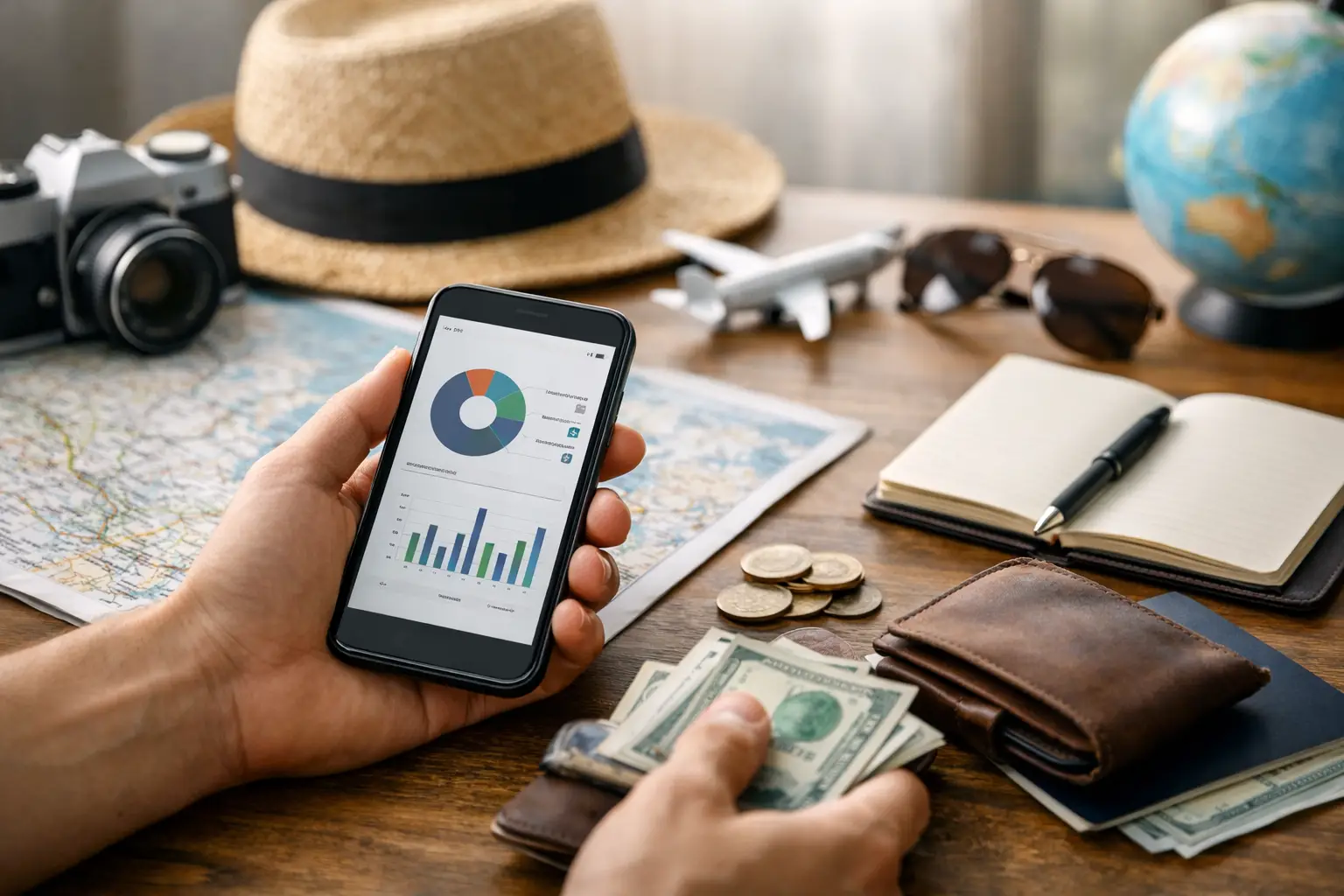
A trip can blow out financially faster than most travelers expect. It usually starts small - one extra fuel stop, a campsite upgrade, groceries that cost more in remote areas, a vehicle issue you did not budget for. Before long, your rough estimate is useless and your receipts are living in the glove box, your phone notes, and the bottom of a daypack. A good Travel budget app fixes that by giving you one place to track what your trip is really costing while you are still on the road.
For road trippers, campers, caravan owners, backpackers, and full-time travelers, budgeting is not just about keeping spending low. It is about making better decisions. Can you afford the longer scenic route? Is fuel costing more than accommodation? Are daily costs creeping up, or was that one expensive week an exception? When your budget is clear, the trip gets easier to manage.
What a travel budget app should actually do
Plenty of apps can record expenses. That is not the same as helping you manage travel properly. A travel budget app needs to work the way real trips work, especially when you are moving between towns, campsites, fuel stations, border crossings, and changing plans.
At a minimum, it should let you log expenses quickly, sort them into useful categories, and show you where the money is going. But for travelers, that is just the baseline. The more helpful tools also connect budget tracking with the rest of the trip. That means dates, destinations, fuel usage, trip distance, notes, and shared plans all sit together instead of being spread across multiple apps and spreadsheets.
This matters even more on long trips. A weekend away is easy to estimate from memory. A six-week road trip, a lap of Australia, or a family caravan holiday is different. Once fuel, food, campsite fees, activities, maintenance, and supplies start stacking up, you need more than a notes app and a pile of receipts.
Why generic budgeting tools often fall short
A normal personal finance app is built for everyday life. Rent, utilities, groceries, subscriptions. Travel spending is messier. It changes daily, it often involves cash or split costs, and it is tightly tied to movement.
If you are towing a caravan, driving a 4WD, or covering long distances, fuel becomes one of the biggest variables in the whole trip. Generic apps rarely help you understand the relationship between fuel cost, kilometres traveled, and your overall travel budget. They can tell you that you spent money. They usually cannot tell you why this leg of the trip cost more than the last one.
They also tend to ignore practical travel details. You might have accommodation booked in one place, free camping in another, a service due in two weeks, and a gear purchase that should be treated differently from day-to-day costs. When your budget tool sits in isolation, you lose context. That is where mistakes creep in.
The best setup is trip budget plus trip context
The smartest way to manage travel costs is to track them alongside the actual trip. Not in a separate app. Not in a spreadsheet you open once every five days. In the same place where you manage stops, notes, fuel, and distances.
That gives you a clearer picture of what the trip is costing by day, by destination, and by category. You are not just entering numbers. You are building a record of how the trip is unfolding.
For example, if one part of your route has much higher fuel spend, you can see whether it was because of distance, fuel prices, towing conditions, or extra driving around town. If accommodation costs jump, you can compare that with location and timing rather than assuming the whole trip is over budget. The detail matters because it helps you adjust instead of guess.
Features that matter most in a travel budget app
Not every traveler needs the same setup, but the most useful features tend to be the same. Fast expense logging is near the top of the list. If entering data feels slow, most people stop doing it by day three.
Category tracking is also essential. You want to separate fuel from campsites, food from activities, and vehicle costs from general spending. If everything ends up in one big total, it is hard to learn anything useful from the numbers.
Fuel tracking deserves special attention for road-based travel. If your trip involves a car, campervan, caravan, or 4WD, fuel is not a side expense. It is one of the core costs. The ability to track litres, fuel price, total spend, economy, and cost per kilometre gives you a much more accurate view of the real cost of travel.
Distance tracking is another big one. A budget without distance data is only half the picture for road trips. Knowing how far you have traveled helps explain spending patterns and helps you estimate future costs more realistically.
Shared access can also be a game changer for couples, families, or group travel. When one person handles the plan and another pays for supplies or fuel, the budget gets messy fast. Shared trip records make the numbers easier to trust.
And then there is the feature many travelers do not think about until it matters: bringing planning and budgeting together. If your budget app can sit alongside your route, stops, notes, and trip details, you spend less time stitching information together and more time actually using it.
How different travelers use a travel budget app
A backpacker moving through multiple cities may care most about daily spend, accommodation, food, and transport. A family on a school holiday road trip might focus on keeping an eye on fuel, campsites, activities, and groceries. A grey nomad or full-time caravan traveler usually needs a much broader view that includes fuel trends, maintenance, travel distance, and long-term spending patterns.
That is why a one-size-fits-all budgeting method rarely works. The app needs to adapt to the trip, not force every traveler into the same mold.
For caravan and 4WD travelers, tracking fuel and distance is especially valuable because small changes in route, terrain, towing load, or fuel prices can make a noticeable difference. For digital nomads or long-term travelers, the key may be understanding monthly travel costs across regions rather than just daily expenses. For group travel, shared visibility and cleaner coordination often matter more than advanced reporting.
What to look for before choosing one
The best app is usually the one you will keep using when you are tired, offline, changing plans, or dealing with a long drive day. Fancy dashboards are nice. Consistent usability matters more.
Look at how quickly you can enter costs. Check whether categories make sense for travel, not just household budgeting. See whether fuel and trip distance are supported in a meaningful way. Think about whether you need to share the trip with a partner or travel group. Most importantly, ask whether the app helps you stay organized across the whole trip or just stores expenses in isolation.
This is where an all-in-one setup has a real advantage. If you are already juggling routes, booking notes, fuel receipts, service reminders, gear lists, and travel plans, adding another separate tool often creates more admin, not less. No spreadsheets. No half a dozen apps. Just one organized system that helps you plan better and track better.
Trip Tracka fits that approach well because it is built for travelers who need more than basic expense logging. It brings trip planning, fuel tracking, travel distance tracking, and cost visibility into one place, which makes it easier to stay on top of both the adventure and the practical details.
A good budget does not make travel rigid
Some travelers avoid tracking because they think it will make the trip feel restrictive. In reality, the opposite is usually true. When you know what you are spending, you get more freedom to make confident decisions.
You can say yes to a detour because you know the budget can handle it. You can slow down in a place you love because you understand your average weekly costs. You can spot a problem early instead of realizing too late that fuel and unplanned expenses have eaten through the trip fund.
That is the real value of a travel budget app. It is not there to take the fun out of travel. It is there to remove the guesswork, cut the clutter, and help you stay in control while the trip is still happening. Better numbers lead to better choices, and better choices make room for better memories.