Road Trip Expense Tracker That Actually Helps
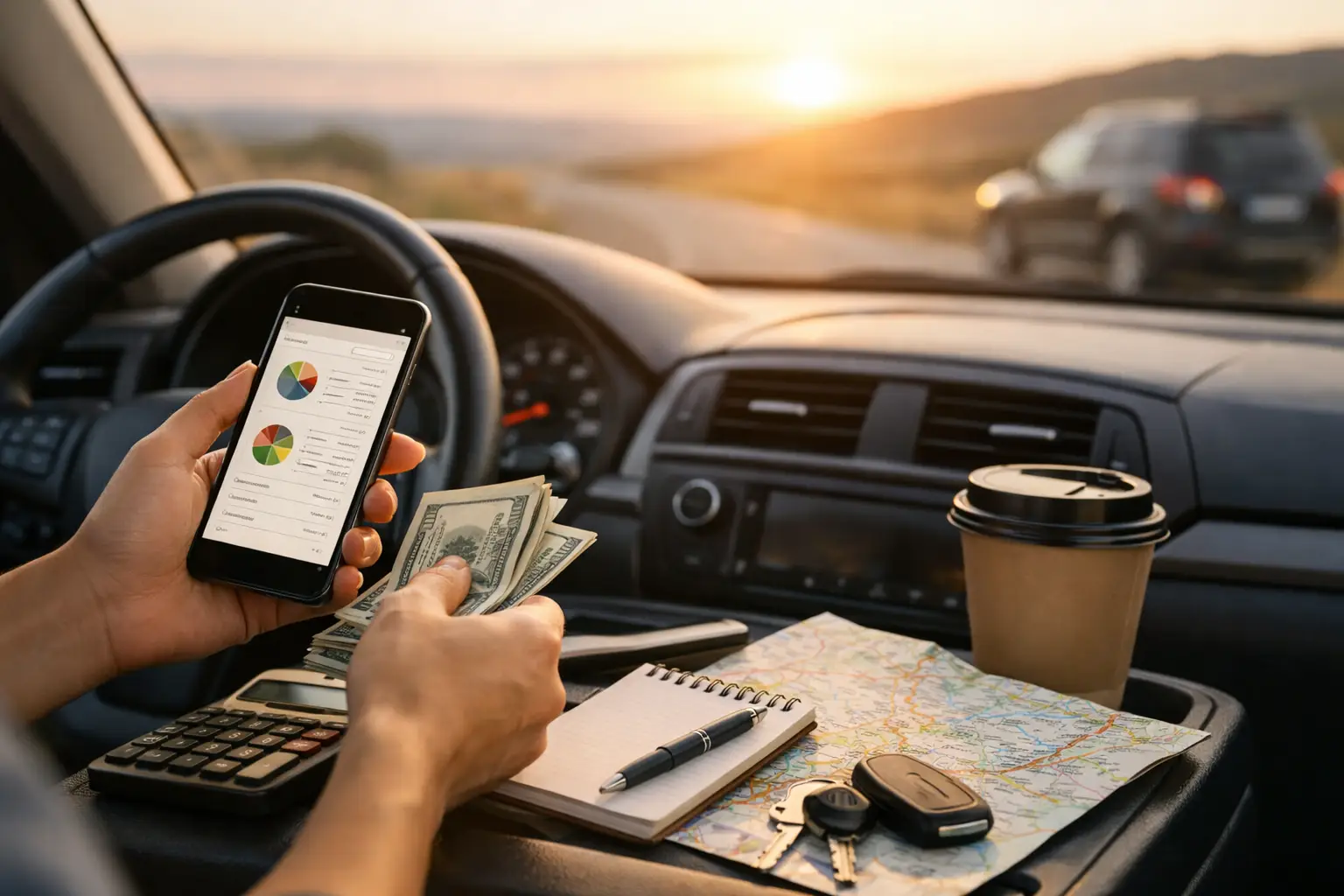
You notice it somewhere between the second fuel stop and the first campsite fee. The trip is going great, but the money side is already fuzzy. Was that last grocery run part of the travel budget or just regular spending? How much have you actually spent on fuel? A good road trip expense tracker fixes that fast. It gives you one clear view of what the trip is costing while you are still on the road, not weeks later when the receipts are crumpled and the details are gone.
For caravan travelers, campers, 4WD owners, families on long drives, and anyone planning a serious route, that clarity matters. Not because travel should feel like accounting, but because better tracking gives you more freedom. You can stay longer, adjust sooner, and avoid the unpleasant surprise of realizing your “cheap” trip was not cheap at all.
What a road trip expense tracker should actually track
Most people start with the obvious category: fuel. Fair enough. Fuel is usually the biggest day-to-day variable on a road trip, especially if you are towing, driving a larger rig, or covering huge distances. But if your tracker only records gas, you are missing the real picture.
A useful tracker should capture fuel costs, distance traveled, campground or caravan park fees, groceries, meals, activities, tolls, maintenance, and those small road expenses that pile up fast. Ice, laundry, dump point fees, firewood, and last-minute gear replacements do not look like budget killers on their own. Together, they absolutely are.
This is where many people hit a wall with spreadsheets or notes apps. They can technically record those costs, but they do not make the process easy enough to keep up with every day. On a real trip, convenience matters. If entering expenses feels like admin, you will stop doing it.
Why spreadsheets break down on the road
Spreadsheets work well before departure. You can estimate fuel, nightly stays, food, and big-ticket costs while planning your route. But once the trip starts, spreadsheets become harder to maintain than most people expect.
You are entering numbers from a phone in a parking lot. Someone else paid for lunch and forgot to mention it. A fuel receipt is in the glovebox. A campsite was cash only. The dog needed an unexpected vet visit. Suddenly the budget sheet that looked neat at home is missing half the story.
The bigger problem is fragmentation. One expense sits in your banking app, another in a notebook, fuel usage in a separate app, and maintenance records somewhere else entirely. You can still piece it together, but now you are managing the trip across too many places. That is exactly when spending gets harder to control.
The difference between budgeting and tracking
People often use these terms as if they mean the same thing. They do not.
Budgeting is what you think the trip will cost. Tracking is what it is costing right now. Both matter, but tracking is what helps you make better decisions while you still have options.
Let’s say you budgeted for modest fuel costs and a mix of paid campsites and free overnights. After a week, your road trip expense tracker shows fuel costs are higher than expected because of headwinds, towing weight, or longer distances between stops. That does not mean the trip is failing. It means you now know early enough to adjust. Maybe you add more free camps, cut back on takeaway meals, or stay an extra day in one spot instead of driving every day.
Without tracking, you usually do not see the pattern until the money is already gone.
Fuel tracking is where the real value starts
If you travel often, fuel is not just an expense. It is a data point that tells you how the trip is performing.
Tracking fuel spend alongside miles traveled helps you understand your true cost per mile. For caravan owners and 4WD travelers, this is especially useful because fuel use changes with load, terrain, weather, and road conditions. A trip through flat highways is one thing. Towing into mountain passes or pushing through remote roads is another.
When you can see fuel entries over time, you stop guessing. You can spot when a route is more expensive than expected, compare different travel days, and recognize whether your setup is costing more than it should. That can also be an early warning sign for maintenance issues. If fuel economy suddenly drops and nothing else changed, it may be time to check tires, load balance, servicing, or driving habits.
A better tracker keeps trip costs connected
The best setup is not just an expense log. It connects planning, travel distance, fuel usage, and trip details in one place.
That matters because travel costs never exist in isolation. Your fuel spending is tied to your route. Your campground costs are tied to where and when you stop. Your grocery spend changes if you are staying at powered sites with cooking access versus driving long days and buying convenience food.
When everything sits together, your spending makes more sense. You are not just looking at random transactions. You are looking at the shape of the trip.
This is especially useful for longer travel. A weekend away can survive a bit of messy budgeting. A three-month road trip, a family camping vacation, or a lap-style journey needs more structure. The longer the trip, the more valuable it becomes to see categories clearly and keep records updated as you go.
How to use a road trip expense tracker without overcomplicating it
The best method is simple enough to keep doing on your busiest travel days. Start by tracking only the categories that affect your decisions most. For most road trippers, that means fuel, accommodations, food, activities, and vehicle-related costs.
Then add context where it matters. Record distance traveled with fuel entries. Note whether a campsite was free, low-cost, or premium. Tag unusual costs so they do not distort your normal daily average. If a tire replacement hits your trip budget, you want to see it, but you also want to separate it from your regular travel pattern.
Daily updates are better than catch-up sessions. Five minutes each evening beats two hours of reconstruction at the end of the week. This is one reason all-in-one travel tools work better than a pile of separate systems. You are more likely to stay consistent when your plan, route, fuel, and expenses live together.
For shared travel, this becomes even more important. Couples, families, and travel groups often split payments across different cards or people. If those costs are not added quickly, someone always forgets something. A shared tracking habit removes the awkward guesswork later.
What to look for if you want something better than a spreadsheet
A practical expense tracker for road travel should feel built for travel, not adapted from general budgeting. That means it should handle trip-based costs, ongoing fuel logging, mileage or distance tracking, and categories that match real travel behavior.
It should also help you stay organized without turning every stop into admin. Fast entry matters. Mobile access matters. Being able to look back on a trip and understand not just what you spent, but where and why, matters too.
This is where a platform like Trip Tracka makes sense for travelers who are tired of juggling notebooks, fuel receipts, trip plans, and separate budgeting tools. When the route, costs, fuel records, and trip details are organized in one place, you spend less time managing information and more time enjoying the trip.
That does not mean every traveler needs the same level of detail. A solo weekend camper may only want the basics. A full-time traveler or caravan family may want a much deeper record of spending, fuel use, and vehicle costs. It depends on the trip, the vehicle, and how closely you need to manage your budget. The key is choosing a system you will actually keep using.
The goal is not perfect data
A lot of people give up on tracking because they think they need every coffee, every snack, and every tiny purchase logged perfectly. You do not.
You need enough accuracy to stay in control. If your tracker captures the major categories consistently and gives you a reliable view of the trip, it is doing its job. Perfect data is nice. Useful data is what keeps a trip flexible, affordable, and less stressful.
That is the real point of a road trip expense tracker. It is not there to make travel feel smaller. It is there to protect the fun part by keeping the practical side from getting messy. When your money, fuel, and travel details are clear, you can make better calls with confidence and keep your attention where it belongs - on the road ahead.